

The Grow Guide
How to Grow Roses
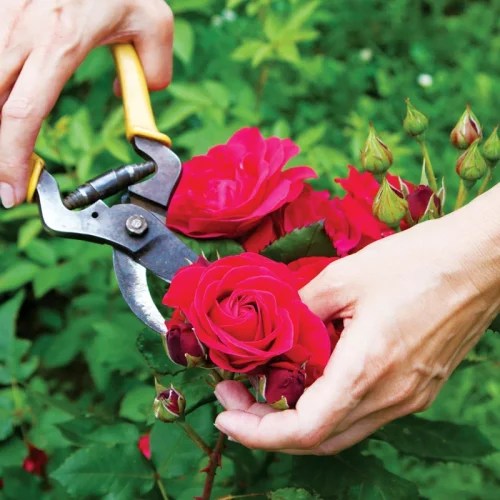
Growing Your Own Roses: A Rewarding Journey
Growing your own rose bushes offers more than just beautiful blooms. It’s a fulfilling experience that connects you with nature, enhances your garden’s aesthetics, and brings joy every time you see those first buds open.
Getting Started with Roses
Before planting, choose your rose varieties based on your climate and garden space. Roses generally prefer full sun—at least 6 hours daily—and well-draining soil rich in organic matter. Good air circulation is important to reduce disease risk, so avoid overcrowding.
Understanding your soil type—whether sandy, clay, or loamy—will help you amend it for the healthiest growth. Roses can be planted as bare-root bushes in early spring or as potted plants almost any time the soil is workable. Each has its advantages depending on your timing and resources.
Caring for Your Roses
Consistent care is key to thriving rose bushes. Water deeply and regularly, especially during dry spells, but avoid wetting the foliage to help prevent fungal diseases. Pruning encourages strong structure and abundant flowering—usually done in late winter or early spring.
Fertilizing supports healthy growth and vibrant blooms. Apply balanced rose fertilizers during the growing season but avoid feeding too late in the year to help the plants prepare for winter dormancy. Regularly monitor for pests like aphids or diseases such as black spot, and act early with appropriate treatments.
Ready to Learn More?
This series will guide you step-by-step—from selecting your roses to pruning, feeding, pest control, and enjoying your blossoms. Whether you’re just starting or expanding your garden, we’re here to help you grow your confidence and your roses!
Grow Beautiful Roses
(From the “How to Grow Roses” Series by 1st Choice Fertilizer)
There’s something truly special about growing roses—whether it’s enjoying their vibrant blooms, the fragrance they bring to your garden, or simply the joy of nurturing something delicate and beautiful with your own hands.
Where to Begin: Planting with Care and Intention
Before you plant your roses, take some time to plan carefully. Choosing the right spot can make all the difference in how well your roses grow and bloom. Roses love plenty of sunlight—ideally six or more hours a day—and well-draining, nutrient-rich soil. Make sure to give each plant enough space to grow without crowding, which helps prevent disease.
Understanding your soil type—whether sandy, loamy, or clay—is important for preparing the perfect rose bed. At 1st Choice Fertilizer, we guide you through soil preparation and choosing between bare-root or container-grown roses, both of which are great for beginners with a bit of care.
Ongoing Care: Keeping Your Roses Healthy and Blooming
Once your roses are planted, consistent care is key to keeping them healthy and vibrant. Proper watering—deep and less frequent rather than shallow and often—helps roses develop strong roots. Pruning is essential too, encouraging new growth and more abundant blooms.
Fertilizing supports your roses’ health throughout the growing season. Our tips at 1st Choice Fertilizer include when and how to feed your roses for best results, while avoiding overfeeding late in the year, which can make plants vulnerable to cold damage. Regular monitoring for pests and diseases, along with timely treatments, will help keep your roses flourishing season after season.
More to Explore
From planting to pruning to pest control, this series covers everything you need to grow beautiful, healthy roses. Use the “In This Series” menu to explore topics that interest you most, or follow the full guide for a complete rose-growing journey.
Acclimating Roses Before Planting
(From the “How to Grow Roses” Series by 1st Choice Fertilizer)
Before your roses take root in the garden, there’s an important step to help them get the best possible start: acclimation—often called hardening off. This process gently prepares your young rose plants for life outside the controlled environment they were grown in, helping them avoid shock and stress once planted.
At 1st Choice Fertilizer, many of our potted roses come from greenhouses where conditions are warm, humid, and sheltered. While these ideal growing conditions encourage lush new growth, they can also leave roses vulnerable to outdoor elements like strong sun, wind, and temperature swings.
Why Acclimation Matters
New leaves and tender shoots are sensitive to environmental stress. Skipping the acclimation step can lead to leaf burn, wilting, or transplant shock. Common challenges your roses may face when first moved outdoors include:
-
Temperatures below 50°F or above 85°F
-
Sudden frost or cold snaps
-
Intense direct sunlight
-
Drying or strong winds
These factors are especially common in early spring but can occur at other times depending on your location. That’s why easing your roses into outdoor conditions is so important.
Acclimating Bare-Root Roses
Bare-root roses arrive dormant with no soil around their roots, which helps them handle transplanting better by reducing moisture loss. To acclimate bare-root roses:
-
Soak the roots in water for 1–3 hours before planting (avoid soaking longer than 24 hours).
-
Plant as soon as conditions are suitable—typically early spring or fall, when weather is mild.
-
Avoid late planting to reduce stress and help your roses establish quickly.
Acclimating Potted Roses
Potted roses usually arrive with active, leafy growth from greenhouse conditions. To harden them off gradually:
-
Place pots outdoors in a protected, partially shaded spot such as a covered porch or shaded patio.
-
After 2 days, gradually move them to a sunnier location to increase light exposure slowly.
-
Water when the top inch of soil dries out, encouraging roots to strengthen without overwatering.
-
Monitor leaves for signs of sunburn or wind damage; if you see browning or curling, move plants back to filtered light and sheltered areas.
-
Avoid leaving plants outside overnight if temperatures dip below 50°F—bring them indoors if needed.
When to Plant
After 3–5 days of acclimation—once your roses show no signs of stress and soil temperatures are consistently above 50°F—they’re ready for planting. For best results, choose a cloudy or overcast day to minimize transplant shock.
Additional Tips
-
Adapt to Your Climate: Depending on your local weather and season, your roses may need longer or shorter acclimation periods.
-
Indoor Alternative: If outdoor conditions are still harsh, keep potted roses indoors near a sunny window and treat them as houseplants until it’s safe to plant outside.
-
Patience Pays: Every rose plant is different. Some adjust quickly, while others take time to settle in.
Proper acclimation is a small but crucial step to ensure your roses flourish in their new home. With this care, your plants will grow stronger, bloom more beautifully, and reward your gardening efforts season after season.
Choosing the Right Location to Plant Roses
(From the “How to Grow Roses” Series by 1st Choice Fertilizer)
Success starts long before you dig a hole. Selecting the perfect spot for your roses can save you lots of trouble later—and give your plants the best chance to bloom beautifully and stay healthy year after year.
Here are five key factors to consider before planting your roses:
-
Sunlight
-
Soil Quality and Drainage
-
Surroundings and Protection
-
Spacing
-
Room for Future Growth
1. Sunlight: Let the Roses Soak Up the Rays
Roses thrive with plenty of sunlight—aim for at least 6 hours of direct sun each day. More sun generally means bigger, healthier blooms and fewer problems with disease.
If you live in a very hot climate, some afternoon shade can help protect delicate petals from scorching, but avoid overly shady spots, which can lead to weak growth and fewer flowers.
2. Soil Quality & Drainage: The Foundation for Growth
Good soil is crucial for roses. They prefer well-drained, loamy soil rich in organic matter. Avoid heavy clay soils that hold water, as soggy roots can cause rot and other issues.
If your soil is dense or drains poorly, amend it with compost, peat moss, or our Coco-Fiber Growing Medium to improve texture and drainage.
Raised beds or mounded planting areas are great options if your garden tends to stay wet. For sandy soil, adding organic matter will help retain moisture and nutrients.
3. Surroundings & Protection: Think About the Environment
Before planting, take a moment to picture your rose bush at full size:
-
Is the spot sheltered from strong winds, which can damage delicate stems and flowers?
-
Are there nearby trees or shrubs that might cast too much shade or compete for nutrients?
-
Will your roses be clear of power lines, pathways, or structures?
-
Is there enough airflow to reduce the risk of fungal diseases?
Good airflow and protection from harsh elements help keep your roses healthy.
4. Spacing: Give Them Room to Breathe
Proper spacing allows roses to grow well and prevents disease by improving air circulation.
Here’s a general guide to spacing:
-
Miniature roses: 12–18 inches apart
-
Floribunda and shrub roses: 2–3 feet apart
-
Hybrid teas and climbers: 3–5 feet apart
Remember to consider the mature size of the variety you’re planting and avoid overcrowding.
5. Leave Room for Future Growth
Starting with a few rose bushes is a great way to learn the ropes, but once you experience their beauty and fragrance, you might want to expand your rose garden.
Plan ahead by leaving space for additional roses or companion plants like lavender, catmint, or herbs that can help attract pollinators and repel pests.
Ready to Plant? You’re Almost There!
Choosing the right location is one of the smartest steps you can take toward a flourishing rose garden. With careful planning and a little guidance from 1st Choice Fertilizer, your roses will reward you with vibrant blooms season after season.
How to Plant Roses the Right Way
(From the “How to Grow Roses” Series by 1st Choice Fertilizer)
Establishing a healthy rose bush starts with how—and where—you plant it. While roses are resilient and rewarding, setting them up properly from the beginning ensures vigorous growth, beautiful blooms, and long-lasting health.
Getting Started: Prep Before You Plant
Whether you’re planting bare-root or potted roses, preparation is everything. For bare-root roses, soak the roots in a bucket of water for 4–12 hours before planting (but not longer than 24 hours). This rehydrates the plant after transit. Never allow roots to dry out or freeze.
Step-by-Step Rose Planting Guide
1. Dig Wide, Not Just Deep
Dig a hole that’s about 18 inches wide and 12–18 inches deep, depending on the size of your rose’s root system. Keep the topsoil in a separate pile—it contains valuable nutrients and will go back in first.
2. Enrich the Soil
Mix the topsoil with aged compost, rotted manure, coir (such as our Coco-Fiber Growing Medium), or peat moss to improve drainage and nutrition. Roses thrive in rich, slightly acidic to neutral soil (pH 6.0–6.5). Coir is a gentle, eco-friendly way to improve soil without altering pH too drastically.
3. Position Your Rose
-
For bare-root roses, form a small mound in the center of the hole and spread the roots evenly over it.
-
For potted roses, gently remove the rose from the pot, tease out any circling roots, and place it in the hole so the crown (where stems meet roots) sits 1–2 inches below soil level in cold climates, or just at soil level in warmer areas.
Backfill the hole with the enriched soil, tamping gently to eliminate air pockets.
4. Create a Water Basin
Form a shallow basin or berm around the base to help direct water toward the roots. This is especially important during the first few weeks while your rose is settling in.
After Planting: Water, Mulch, and Protect
-
Water thoroughly after planting—about a gallon for bare-root and 1–2 gallons for potted roses.
-
Mulch around the base with 2–3 inches of bark, straw, or compost to retain moisture, regulate temperature, and reduce weeds.
-
Avoid direct contact between mulch and the stem to prevent rot or pest damage.
Special Tips for Bare-Root Roses
-
Trim any damaged or extra-long roots before planting.
-
After planting, mound loose soil over the canes to prevent them from drying out. As new growth appears, gently remove the mound.
Planting Potted Roses
-
Keep soil around roots mostly intact.
-
Loosen roots that are tightly bound or circling.
-
Water deeply after planting.
-
Stake if necessary for tall varieties or windy sites.
Final Tip: Remove the Nursery Tag
Plastic tags left on too long can dig into the stems as the plant grows. Remove them after planting. If you want to keep the variety name, re-tie it loosely or record it elsewhere.
You’re on Your Way
With the right planting method, your roses are set up to thrive. Add regular care, sunshine, and 1st Choice Fertilizer to the mix, and you’ll soon enjoy lush growth and stunning blooms—all from a strong foundation you created.
How to Prepare Soil for Planting Roses
(From the “How to Grow Roses” Series by 1st Choice Fertilizer)
Before your roses ever meet the garden bed, preparing the soil is one of the most important things you can do to ensure long-term success. Healthy, well-prepared soil gives roses the strong root system they need to bloom abundantly and resist disease.
Whether you’re planting in spring or fall, soil prep sets the stage for beautiful results. Here’s what you need to know.
Why Soil Preparation Matters for Roses
Roses are deep feeders with high nutrient demands. The right soil environment helps them:
-
Develop strong, deep roots
-
Absorb water efficiently
-
Access essential nutrients
-
Resist pests, disease, and environmental stress
We recommend testing your soil before planting and annually thereafter. Use a 1st Choice Digital Soil Meter for quick at-home checks, or send a sample to your local Cooperative Extension for lab analysis.
Understanding Your Soil Type
Knowing what kind of soil you’re working with helps determine which amendments will benefit your roses the most:
Clay or Silt Soils
Sticky, slow to drain, and prone to compaction. Roses can grow here but need added organic matter to improve airflow and drainage.
Loam Soils
Ideal for roses. Loam holds moisture well without staying soggy and provides balanced nutrition. Compost and aged manure only make it better.
Sandy Soils
Fast-draining and low in nutrients. Roses planted in sandy soil will need more organic matter to retain moisture and feed roots.
When to Prepare the Soil
Soil prep can be done anytime the ground isn’t frozen or overly saturated. For spring planting, begin preparing in fall if possible. This allows added materials to settle and integrate into the soil by the time you plant.
What to Add to Your Soil
Here are our top recommendations to enrich your rose beds:
-
Compost – Adds nutrients and improves moisture retention.
-
Well-aged manure – Supplies natural fertility and structure.
-
Coir or Peat Moss – Helps hold moisture in sandy soils; lowers pH in alkaline ones.
-
Perlite or coarse sand – Useful for improving drainage in clay-heavy soils.
-
Garden Lime – Helps raise pH in acidic soils. Roses prefer a pH between 6.0 and 6.5.
Pro Tip: Yard waste can go a long way! Shredded leaves, grass clippings, and mulched prunings can be composted into valuable organic matter—perfect for rose beds.
How Organic Matter Improves Different Soils
-
Sandy soil: Organic matter binds loose particles, slowing down drainage and helping retain nutrients.
-
Clay soil: Loosens compacted particles, improves aeration, and increases root penetration.
-
Poor or lifeless soil: Compost and amendments restore microbial activity, improving nutrient availability and overall soil health.
Your Soil, Your Roses’ Success
Well-prepped soil is one of the best gifts you can give your roses. With the right mix of drainage, nutrients, and structure, your plants will reward you with healthier foliage and more vibrant, longer-lasting blooms.
Next in the Series:
Ready to plant? Our next guide shows you exactly how to place, water, and mulch your rose bush for the best possible start.
Need help selecting soil amendments?
Explore our full line of premium and organic products at www.1stChoiceFertilizer.com.
Fertilizing Roses for Strong Growth and Beautiful Blooms
(From the “How to Grow Roses” Series by 1st Choice Fertilizer)
Fertilizing roses is one of the most important steps in growing healthy, vibrant plants that deliver beautiful, continuous blooms. Whether you’re planting new bare-root roses or maintaining a mature shrub, providing the right nutrients at the right time helps ensure strong roots, vigorous foliage, and abundant flowering.
But not all roses need the same nutrients—or in the same amounts. That’s why it’s smart to test your soil first before reaching for the fertilizer.
Why Fertilize Roses?
Fertilizer isn’t just “plant food”—it’s a precise tool for giving your roses what they need to thrive in your specific garden conditions.
Here are the three primary macronutrients your roses depend on:
-
Nitrogen (N): Promotes lush, green leaf and cane growth
-
Phosphorus (P): Supports root strength and flower development
-
Potassium (K): Enhances disease resistance, color vibrancy, and overall plant health
These nutrients are displayed on fertilizer products as N-P-K, like our 1st Choice Bloom Formula 6-8-6, designed specifically for flowering shrubs and roses.
Always Test Before You Fertilize
No two garden soils are alike. Over-fertilizing can cause leaf burn, poor blooming, or even plant decline. That’s why we recommend testing your soil before applying any fertilizer. Use a 1st Choice Digital Soil Meter for fast at-home readings, or submit a soil sample to your local Extension office for a full analysis.
Once you understand your soil’s baseline, you can select a fertilizer that complements its strengths and fills any gaps—whether that’s a slow-release organic blend or a fast-acting water-soluble formula.
Fertilizing New Roses
If your rose is freshly planted in well-amended soil, you may not need to fertilize for the first month or two. Let the roots establish first.
But if growth is slow or foliage looks pale, a gentle feeding with 1st Choice Rose Starter Mix (4-6-4) can provide a balanced boost. It’s water-soluble and designed for young or recently transplanted roses.
Fertilizing Established Roses
Mature roses are heavy feeders, especially during their blooming season. Apply a high-phosphorus formula like 1st Choice Bloom Formula 6-8-6 to encourage bud formation and continual flowering.
-
Start feeding in early spring once new leaves emerge.
-
Repeat applications every 4–6 weeks through mid-summer.
-
Stop fertilizing by mid to late summer (around August 1st in most zones) to prevent late-season growth that may not harden off before winter.
Important: Late fertilizing can lead to tender new shoots that are vulnerable to frost damage.
Different Roses, Different Needs
Not all roses need the same intensity of feeding. Here’s a quick guide:
Light Feeders:
-
Heritage and old garden varieties
-
Some shrub and groundcover roses
-
Typically lower-maintenance, but still benefit from early-season feeding
Heavy Feeders:
-
Hybrid teas, floribundas, and grandifloras
-
Climbing roses and repeat-blooming types
-
Require regular feeding to maintain continuous bloom cycles and strong cane growth
⚙️ Don’t Forget Micronutrients
In addition to N-P-K, calcium, magnesium, iron, and sulfur are essential for healthy roses. Deficiencies can cause yellowing leaves, poor bud formation, or weak stems.
We recommend 1st Choice MicroBoost 2-0-4 with Calcium+ for added micronutrient support during the peak growing season.
Ready to Feed Your Roses Right?
A smart, balanced fertilizing plan makes all the difference in your roses’ performance—whether you’re growing a single bush or an entire garden full of blooms. With 1st Choice Fertilizer’s line of premium, rose-specific products, you can nourish your plants at every stage of growth.
Need help choosing the right formula?
Visit www.1stChoiceFertilizer.com for detailed product info and personalized feeding guides.
Rose Pest & Disease Control for Healthy Growth
(From the “How to Grow Roses” Series by 1st Choice Fertilizer)
As your roses grow, they may encounter challenges from pests and diseases. Weather, location, and plant care all affect how vulnerable your roses are—and how well they bounce back. Choosing disease-resistant varieties, watering correctly, feeding regularly, pruning smartly, and following good cleanup and seasonal protection practices are the best ways to maintain vibrant, healthy roses.
Common Rose Pests
Aphids
Small green, red, or black insects clustering on buds and leaf tips.
Symptoms: Sticky residue (“honeydew”), distorted leaves, poor bud opening.
Control:
-
Natural sprays: Safer® Insect Killing Soap, Monterey Horticultural Oil, Ferti-lome® Triple Action, Natural Guard® Neem
-
Sprays: Monterey Fruit Tree Spray Plus
Japanese Beetles
Metallic green beetles feeding on leaves and flowers.
Symptoms: Skeletonized foliage, chewed petals.
Control:
-
Manual: Knock into soapy water in early morning
-
Sprays: Monterey Fruit Tree Spray Plus, Natural Guard® Neem
Thrips
Tiny, slender insects often hidden inside buds and flowers.
Symptoms: Discolored or deformed petals, streaked blooms.
Control:
-
Natural sprays: Safer® Insect Killing Soap, Monterey Horticultural Oil
-
Sprays: Monterey Fruit Tree Spray Plus
Spider Mites
Tiny, sap-sucking arachnids found on leaf undersides.
Symptoms: Yellow speckling, bronzed leaves, fine webbing.
Control:
-
Natural sprays: Monterey Horticultural Oil, Safer® Insect Killing Soap, Natural Guard® Neem
-
Sprays: Ferti-lome® Triple Action
Rose Slugs (Sawfly Larvae)
Worm-like larvae feeding on leaf surfaces.
Symptoms: Skeletonized or translucent leaves.
Control:
-
Natural sprays: Monterey Horticultural Oil, Natural Guard® Caterpillar Killer (with BT)
-
Sprays: Monterey Fruit Tree Spray Plus
Leafhoppers
Small, fast-moving insects feeding on plant sap.
Symptoms: Pale or stippled leaves, stunted growth.
Control:
-
Sprays: Monterey Fruit Tree Spray Plus
-
Natural options: Safer® Insect Killing Soap, Ferti-lome® Triple Action
Caterpillars & Loopers
Larvae that chew leaves and flower buds.
Symptoms: Missing petals, holes in leaves, curled foliage.
Control:
-
Natural sprays: BT (Bacillus thuringiensis) products, Natural Guard® Caterpillar Killer
-
Sprays: Monterey Fruit Tree Spray Plus
Common Rose Diseases
Black Spot
Fungal disease common in humid climates.
Symptoms: Round black spots with yellow halos on leaves, premature leaf drop.
Control:
-
Preventive care: Prune for airflow, avoid wetting leaves
-
Natural sprays: Monterey Liquid Copper, Natural Guard® Neem
-
Fungicides: Hi-Yield® Captan, Monterey Fruit Tree Spray Plus
Powdery Mildew
White, powdery coating on leaves and buds.
Symptoms: Curled, distorted foliage, stunted growth.
Control:
-
Natural sprays: Monterey Horticultural Oil, Ferti-lome® Triple Action
-
Fungicides: Monterey Fruit Tree Spray Plus, Hi-Yield® Captan
Rust
Fungal disease often appearing in early spring.
Symptoms: Orange or rust-colored spots on leaf undersides.
Control:
-
Site cleanup: Remove affected leaves and prune for airflow
-
Natural sprays: Monterey Liquid Copper, Natural Guard® Neem
Botrytis Blight (Gray Mold)
Fungal disease that thrives in cool, damp weather.
Symptoms: Gray mold on buds and petals; flower drop.
Control:
-
Improve airflow: Remove spent blooms and avoid crowding
-
Fungicides: Monterey Fruit Tree Spray Plus
Crown Gall
Bacterial disease causing tumor-like swellings at crown or stems.
Symptoms: Irregular, rough galls at or below the soil line.
Control:
-
Sanitation: Remove and destroy infected plants
-
Prevention: Disinfect tools; plant disease-free roses
Downy Mildew
Fungal-like disease appearing in cool, wet weather.
Symptoms: Purple to red blotches on leaves; leaf drop.
Control:
-
Natural sprays: Monterey Liquid Copper
-
Preventive: Ensure good drainage and spacing
Prevention Tips
-
Water at the base to avoid wet foliage
-
Clean up debris around your rose bushes in fall and spring
-
Prune regularly to improve airflow
-
Monitor early in the season for signs of pests or disease
-
Use dormant sprays (like horticultural oil) in late winter to reduce overwintering pests
Need More Help?
Your local Cooperative Extension office can help with pest or disease identification based on your area’s conditions.
Visit www.1stChoiceFertilizer.com to explore rose-safe sprays, organic options, and tailored protection plans.
Pruning Roses for Health, Shape & Bloom Power
(From the “How to Grow Roses” Series by 1st Choice Fertilizer)
Pruning roses isn’t just about keeping them tidy—it’s about encouraging stronger growth, bigger blooms, and a healthier plant overall. Whether you’re growing hybrid teas, climbers, or shrub roses, proper pruning rejuvenates your rose bushes and extends their blooming life.
Why Prune Roses?
Survival: Removes winter-damaged or weak stems so the plant can focus energy on healthy growth.
Stimulation: Promotes new shoots and more prolific flowering.
Shape & Structure: Encourages an open, vase-like form for better light, air, and bloom visibility.
✂️ Basic Pruning Principles for Roses
-
Best Time: Late winter to early spring—just as buds begin to swell and before new leaves emerge.
-
Cut at an angle: Make clean cuts ¼ inch above an outward-facing bud, slanting away from the bud to prevent water collection.
-
Remove:
-
Dead, diseased, or damaged canes
-
Thin, spindly stems
-
Inward-growing or crossing branches
-
Any suckers growing from below the graft union
-
️ In cold climates, wait until the last hard frost has passed before heavy pruning.
Pruning Goals by Rose Type
Hybrid Tea, Floribunda & Grandiflora Roses:
-
Cut back to 12–24 inches above ground.
-
Keep 3–5 strong canes and prune away the rest.
-
Aim for an open vase shape to maximize airflow.
Shrub & Landscape Roses (like Knock Out®):
-
Cut back by 1/3 to 1/2 of the overall height to maintain shape.
-
Thin out old wood at the base to encourage new growth.
Climbing Roses:
-
Do not hard-prune in early spring unless shaping.
-
Instead, train long canes horizontally along a trellis to increase bloom production.
-
Remove only dead or very old canes and trim side shoots to 2–3 buds.
Miniature Roses:
-
Light pruning only—remove dead growth and lightly shape.
️ Seasonal Pruning Calendar for Roses
| Season | What to Do |
|---|---|
| Late Winter | Main pruning: shape plant, remove dead/damaged canes, thin for airflow |
| Early Spring | Touch up cuts, apply fertilizer, watch for signs of disease |
| Summer | Deadhead faded blooms regularly; remove water sprouts or suckers |
| Fall | Light cleanup only; remove diseased leaves/canes but avoid heavy pruning |
️ Recommended Pruning Tools
-
Bypass Pruners: For canes up to ¾ inch
-
Loppers: For older, woody canes up to 1½–2 inches
-
Pruning Saw: For very thick, woody rose canes
-
Gloves: Long rose gloves protect from thorns
-
Disinfectant: Use alcohol or diluted bleach to clean blades between cuts and prevent spreading disease
Pruning Tips: Young vs. Established Rose Bushes
Young Roses (1–2 years):
-
Focus on removing weak stems and shaping the structure
-
Leave some extra canes for photosynthesis while the root system strengthens
Mature Roses (3+ years):
-
Cut more aggressively to stimulate fresh, flowering canes
-
Remove old, unproductive wood at the base
-
Refresh the shape yearly to maintain balance and vigor
⚠️ Bonus Tip: Don’t Be Afraid to Prune!
Many gardeners fear over-pruning—but roses are resilient. In fact, a well-pruned rose blooms better than one left untrimmed. When in doubt, prune lightly and observe how your plant responds through the season.
Need Rose Fertilizer After Pruning?
Support regrowth and blooming with our 1st Choice Rose & Bloom Booster, perfectly balanced for post-pruning recovery. Available at www.1stChoiceFertilizer.com
Pest & Disease Control for Roses: Effective Spraying Guidelines
(From the “How to Grow Roses” Series by 1st Choice Fertilizer)
Roses are beautiful—but they can also be magnets for pests and susceptible to various fungal diseases if not properly cared for. Knowing what to look for and when to act is key to keeping your roses vibrant, healthy, and blooming strong all season long.
Whether you’re managing hybrid teas, climbers, or shrub roses, a smart, proactive spraying routine can help prevent problems before they start—and keep your plants flourishing.
When to Spray Roses
Dormant Season (Late Winter): Before buds swell, to kill overwintering pests and fungal spores.
Spring (After Pruning, Pre-Leaf Out): Start protective fungicide sprays before the first signs of disease.
Growing Season (Spring through Summer): Begin insect and disease control as new foliage appears and continue on a 7–14 day cycle as needed.
After Heavy Rain or High Humidity: Reapply as moisture can wash away protective sprays or promote fungal outbreaks.
Important: Always spray in the early morning or evening, and avoid applying when bees are actively pollinating or when temperatures are above 85°F.
Common Rose Pests & Controls
| Product | Pests Controlled | Best Timing | Type | Application Tips |
|---|---|---|---|---|
| Monterey Horticultural Oil | Aphids, mites, scale, whiteflies, thrips | Dormant, Spring, Summer | Preventative | Apply to all plant surfaces. Avoid extreme heat or drought-stressed plants. |
| Hi-Yield Vegetable & Ornamental Insect Control | Leafhoppers, beetles, caterpillars, weevils | Summer (active season) | Contact Control | Spray every 7 days as needed. Avoid direct sun. |
| Safer® Insect Killing Soap | Aphids, mealybugs, thrips, spider mites | Any time during pest presence | Organic, Contact | Use every 5–7 days as needed. Spray in cooler hours. |
| Natural Guard® Caterpillar Killer w/BT | Budworms, tent caterpillars, loopers | Early summer when caterpillars appear | Contact, Biological | Reapply every 5–7 days if infestation persists. |
| GardenTech® Sevin® Bug Killer | Japanese beetles, rose slugs, aphids | After blossom, during pest outbreaks | Broad-spectrum, Contact | Follow label closely. Max 6 applications per season. |
Common Rose Diseases & Controls
| Product | Diseases Controlled | Timing | Type | Application Tips |
|---|---|---|---|---|
| Hi-Yield® Captan 50W Fungicide | Black spot, botrytis, brown rot | Early spring to fall | Contact, Protective | Apply after rain and repeat weekly in wet conditions. |
| Monterey Liquid Copper Fungicide | Powdery mildew, black spot, rust | Spring through summer | Organic, Protective | Use at first signs or preventatively. Safe for roses. |
| Serenade® Garden Disease Control | Powdery mildew, anthracnose, rust | Spring through summer | Biological, Preventative | Reapply weekly or after rain; safe in full sun. |
Combination Sprays for Rose Pests & Diseases
| Product | Pests Controlled | Diseases Controlled | Best Timing | Application Tips |
|---|---|---|---|---|
| Ferti-lome® Triple Action | Aphids, spider mites, beetles | Powdery mildew, black spot, rust | Spring through Summer | Spray every 7–14 days. Do not use in high heat. |
| Natural Guard® Neem Oil | Whiteflies, aphids, thrips, beetles | Black spot, rust, mildew, sooty mold | Spring through Fall | Spray early morning/evening. Reapply after rain. |
| Monterey Fruit Tree Spray Plus | Thrips, leafminers, beetles | Black spot, mildew, rust | Spring through Summer | Apply every 7–14 days. Max 10 apps per season. |
✅ Tips for Effective Rose Spraying
-
Read labels carefully: Follow directions for dilution, reapplication intervals, and pre-harvest or bee safety.
-
Spray consistently: Regular light spraying is better than reacting to outbreaks.
-
Thorough coverage matters: Spray upper and lower leaf surfaces and stems.
-
Test first: Try any new product on a small section before full application.
-
Avoid harsh conditions: Never spray during drought stress, high heat, or in full midday sun.
-
Rotate sprays: To prevent pest resistance, alternate between different spray types if needed.
Tool Tip: Clean your sprayer after every use with warm soapy water to avoid clogging and chemical buildup.
Get Local Support
Different climates bring different challenges. For the most accurate, rose-specific advice:
-
Contact your local Cooperative Extension office.
-
Visit local garden centers or rose societies.
-
Use soil and disease testing kits like our 1st Choice Plant Health Monitor™ for proactive care.
With the right spraying plan, your roses will be better protected, bloom longer, and resist the common threats that derail rose gardens. Trust 1st Choice Fertilizer to provide safe, effective solutions every step of the way.
Need help choosing the right product for your roses?
Visit www.1stChoiceFertilizer.com for expert advice and gardener-approved treatments.
Watering Roses for Healthy Growth and Blooms
(From the “How to Grow Roses” Series by 1st Choice Fertilizer)
While established roses are surprisingly drought-tolerant, consistent and thoughtful watering—especially in the first year—plays a major role in ensuring vibrant blooms, healthy roots, and long-lasting beauty. Whether you’re growing hybrid teas, climbers, floribundas, or shrubs, watering the right way from the start can help your roses thrive.
Using products like 1st Choice Fertilizer not only improves soil nutrition but also enhances moisture retention, helping you get more out of every drop and reducing the frequency of watering.
Watering Tips for Newly Planted Roses
In the first growing season, roses need even, consistent moisture to get established. Here’s how to do it right:
-
How much? Aim for about 1–2 inches of water per week, either from rainfall or irrigation. Check the soil: it should be moist several inches below the surface—not soggy or bone dry.
-
How often? Water deeply 1–2 times per week, rather than giving light, shallow watering daily. This encourages deep root development and helps the plant become more resilient over time.
-
Best method? A soaker hose or drip irrigation system is ideal. These methods deliver water right to the base without wetting the leaves, reducing the risk of fungal diseases like black spot or powdery mildew.
Pro Tip: Water early in the morning so foliage has time to dry. Avoid watering at night when moisture lingers and disease risk increases.
Watering Mature Roses
Established roses (1+ years old) are less demanding but still benefit from regular watering, especially during:
-
Hot, dry weather (summer heat waves or droughts)
-
Blooming periods, when water needs increase
-
Windy conditions, which can dry out soil faster
Continue deep watering every 7–10 days during dry spells. If you’re unsure, use a moisture meter or dig down a few inches with your finger to test.
❗ Avoid overwatering. Too much moisture can suffocate roots, lead to yellowing leaves, and increase fungal issues. Good drainage is just as important as hydration.
Watch for These Watering Mistakes
-
Shallow watering = weak roots and stressed plants
-
Overhead watering = increased disease risk
-
Frequent, light watering = encourages shallow roots
-
Letting soil dry out completely = wilting and bud drop
Cold Weather Tip
If you build a shallow watering basin around the base of your rose during summer, level it out before winter to prevent freezing water from damaging the crown.
Local Conditions Matter
Your rose’s exact water needs will depend on:
-
Soil type (sandy soils drain quickly, clay holds moisture longer)
-
Weather and temperature
-
Plant variety and size
Always observe the plant and soil before deciding when to water. Look for signs like drooping leaves or dry, cracked soil to determine if it’s time.
Also, check for local watering restrictions, especially in drought-prone regions. Staying informed helps your garden and your community.
With smart watering practices, your roses will reward you with stronger stems, more blooms, and increased resilience to stress. Pair consistent watering with 1st Choice Fertilizer’s rose-friendly formulas for lush growth and maximum color.
Need help planning a complete rose care routine?
Visit www.1stChoiceFertilizer.com for expert tools, soil enhancers, and custom guides just for rose growers.
Enjoying the Beauty of Your Labor: Rose Bloom & Seasonal Care
(From the “How to Grow Roses” Series by 1st Choice Fertilizer)
After months of watering, feeding, pruning, and tending to your roses, the reward arrives in the form of radiant blooms and lush foliage. Whether you’re growing for personal enjoyment, cutting bouquets, or cultivating a landscape centerpiece, this is the time to fully enjoy the results of your care—and set the stage for ongoing beauty.
When Will My Rose Bush Start Blooming?
Most roses will begin flowering within their first growing season, especially if planted in spring. Depending on the variety and growing conditions, you might see your first flush of blooms as early as late spring, followed by repeat cycles throughout the summer and fall.
-
Hybrid Teas & Floribundas: Typically bloom in waves throughout the season.
-
Shrub & Landscape Roses: Often bloom continuously.
-
Climbing Roses: May bloom once in spring or repeat bloom, depending on type.
Be patient—establishing a strong root system in the first year ensures more abundant flowering in future seasons.
Recognizing Peak Bloom
Your roses are at their best when:
-
Buds have fully opened but petals are still firm.
-
Leaves are deep green and free of yellowing or spots.
-
The scent is strong (especially in fragrant varieties).
To keep roses blooming longer:
-
Deadhead spent blooms regularly to redirect energy into new flower production.
-
Feed with a rose-specific fertilizer like 1st Choice Bloom Booster every 4–6 weeks during the growing season.
-
Water deeply and evenly, especially in hot weather.
✂️ Harvesting Roses for Bouquets
Bringing blooms indoors is one of the joys of rose growing. For longest-lasting cut flowers:
-
Harvest in the early morning when blooms are most hydrated.
-
Choose buds that are just beginning to open.
-
Use sharp pruners and make diagonal cuts just above a five-leaflet leaf.
-
Place stems in cool water immediately after cutting.
Tip: Strip off any leaves that will be submerged in water to reduce bacterial growth.
❄️ Preserving and Preparing for the Off-Season
Though roses are best enjoyed fresh in the garden or vase, there are ways to extend their impact even after bloom time:
-
Dry or press petals for craft projects, potpourri, or keepsakes.
-
Collect and clean rose hips (the seed pods that follow bloom), which are high in vitamin C and can be used in teas or jams for some varieties.
-
Photograph your favorite blooms to record your garden’s progress and plan next season’s improvements.
As blooming slows in fall:
-
Continue watering until the first hard frost.
-
Avoid fertilizing after late summer to prevent tender new growth.
-
Begin preparing your rose bush for dormancy with winter mulch or protection as needed in colder climates.
Your Rose Season, Your Reward
There’s nothing quite like the satisfaction of seeing your hard work blossom—literally. Whether you grow for beauty, scent, personal pride, or all of the above, your roses are a living testament to your care and dedication.
To keep your blooms at their best season after season, rely on 1st Choice Fertilizer’s full line of rose care products—formulated to nourish your soil, support vibrant growth, and extend flowering performance.
Visit www.1stChoiceFertilizer.com to explore our rose collection, garden tips, and bloom-boosting solutions.