

The Grow Guide
How to Grow Herbs
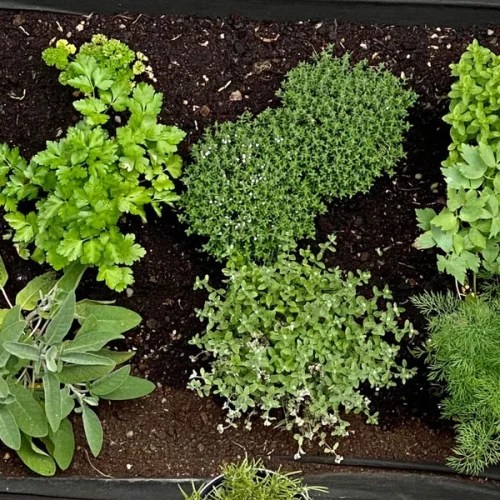
Grow Herbs: A Delightful Journey from Seed to Harvest
Growing your own herbs offers more than just fresh flavors for your kitchen. It’s a rewarding experience that connects you to nature, adds fragrance and beauty to your garden or windowsill, and gives you a sense of pride every time you use herbs you nurtured yourself.
Getting Started with Herbs
Before planting, it’s important to think strategically about where your herbs will grow best. Whether you’re cultivating a few pots on a balcony or a full herb garden, success starts with good planning. Consider the amount of sunlight your space receives—most herbs love full sun—and the type of soil you have. Proper spacing is key too, so your herbs don’t become crowded and can thrive.
Understanding your soil—whether sandy, loamy, or clay—helps you prepare the right growing environment. From there, you can decide if you’ll start from seeds, seedlings, or even cuttings. Each method is beginner-friendly with the right guidance.
Caring for Your Herbs
Once planted, consistent care is essential. Watering is one of the biggest factors in healthy herb growth. Knowing how much and how often to water prevents common issues like root rot or drought stress. Most herbs prefer well-drained soil and moderate moisture.
Fertilizing can boost growth during the growing season, but many herbs thrive with minimal feeding, so timing and amount matter. As your herbs grow, keep an eye out for pests and diseases. Regular inspection and simple preventive steps can keep your herbs thriving and flavorful.
Ready to Learn More?
This series guides you through every stage—from planting and care to harvesting and preserving your herbs. Whether you’re just starting out or expanding your garden, we’re here to help you grow confident and enjoy the many benefits of homegrown herbs.
Growing Herbs: Your Guide to Fresh, Homegrown Flavor
There’s something special about growing your own herbs—whether it’s snipping fresh basil for dinner, continuing a timeless gardening tradition, or simply enjoying the satisfaction of watching your herbs flourish under your care.
Where to Begin: Planting with Purpose
Before you start planting, take some time to plan. Choosing the right spot for your herbs makes a big difference in how well they grow and how flavorful they become. Important factors include sunlight (most herbs prefer full sun), soil quality, proper spacing, and drainage.
Getting to know your soil type—whether sandy, loamy, or clay—helps you prepare the best environment for your herbs to thrive. Our guides at 1st Choice Fertilizer walk you through how to amend your soil and prepare it for planting. Whether you’re starting from seeds, seedlings, or cuttings, each is beginner-friendly with a few simple steps.
Ongoing Care: Keeping Your Herbs Healthy
Once your herbs are planted, consistent care keeps them thriving season after season. Watering properly—knowing how much and how often—prevents root stress or disease. Most herbs thrive with well-drained soil and moderate moisture, so avoid overwatering.
Pruning and harvesting regularly encourages bushier growth and more flavorful leaves. Fertilizing can also boost herb growth, especially during the growing season. At 1st Choice Fertilizer, we offer advice on when and how to feed your herbs for the best results without overwhelming them.
You’ll also find tips on spotting and managing common pests and diseases, plus natural prevention methods to keep your herbs healthy without harsh chemicals.
More to Explore
From planting to harvesting and preserving, this series covers everything you need to grow thriving herbs at home. Use the “In This Series” menu to explore specific topics or follow the guides step by step for the full growing experience.
Acclimating Herbs Before Planting
(From the “How to Grow Herbs” Series by 1st Choice Fertilizer)
Before your herbs settle into their new garden spot or containers, there’s an important step to help them thrive: acclimation—also called hardening off. This process gradually prepares your young herbs for the outdoor environment after being grown indoors or in a controlled setting.
At 1st Choice Fertilizer, many of our herb seedlings start life in greenhouses or indoor nurseries, where conditions are stable and protected. While this encourages healthy growth, it also means these tender plants aren’t yet ready for full sun, wind, or temperature swings found outside.
Why Acclimation Matters
New herb growth is especially sensitive to environmental stress. Skipping the acclimation step can lead to leaf scorch, wilting, or slowed growth. Factors that challenge young herbs include:
-
Direct, intense sunlight
-
Wind and dry air
-
Temperatures below 50°F or above 85°F
-
Sudden weather changes or frost
These conditions are common in spring but can appear any time depending on your location, so gradual exposure is key.
How to Acclimate Herb Seedlings
If your herbs come in small pots or trays with tender leaves, follow these steps to ease their transition outdoors:
-
Start in a sheltered spot: Place seedlings outdoors in a shaded, protected area—such as a porch or under a tree—for a few hours daily. Avoid direct sun at first.
-
Gradually increase light: Over 5 to 7 days, slowly move your herbs to sunnier spots to build their tolerance to direct sunlight.
-
Monitor moisture: Water the seedlings when the soil starts to dry but avoid overwatering. Controlled drying encourages stronger root systems.
-
Watch for signs of stress: If leaves wilt, brown, or curl, move the plants back to shade and protect from wind until they recover.
-
Protect from temperature extremes: Bring herbs indoors overnight if frost or cold dips below 50°F are expected.
Additional Tips
-
Adapt to your climate: Acclimation timing may vary based on your local weather and season.
-
Indoor backup: If outdoor conditions remain harsh, keep your herbs near a sunny window until it’s safe to plant.
-
Patience pays off: Some herbs adapt quickly, while others take more time—listen to your plants’ signals.
Proper acclimation helps your herbs establish strong roots and healthy growth in their new environment. It’s a simple yet essential step toward a flourishing herb garden, with 1st Choice Fertilizer supporting you every step of the way.
Location to Plant Herbs
(From the “How to Grow Herbs” Series by 1st Choice Fertilizer)
Success starts before you even put your herb plants in the ground or containers. Choosing the right location can save you from common problems and help your herbs grow healthy and flavorful for seasons to come.
Here are five key things to consider before planting your herbs:
-
Sunlight needs
-
Soil quality and drainage
-
Surroundings and protection
-
Spacing for airflow
-
Room for growth and harvesting
1. Sunlight: Let There Be Light
Most herbs love plenty of sunlight—typically 6 to 8 hours of direct light daily. This helps them produce the essential oils that give herbs their flavor and aroma. Some herbs, like mint or parsley, can tolerate partial shade, but generally, more sun means better growth.
2. Soil Quality & Drainage: Healthy Roots, Happy Plants
Good soil drainage is critical for herbs. Most herbs don’t like “wet feet” and can develop root rot if water pools around the roots. Sandy or loamy soils that drain well are ideal.
If your soil is heavy clay or tends to stay soggy, amend it with compost or coarse sand to improve drainage. Alternatively, consider raised beds or containers with well-draining soil mixes, like our Coco-Fiber Growing Medium.
3. Check the Surroundings: Protection Matters
Think about what’s around your herb garden spot. Is it sheltered from strong winds that could dry out or damage delicate leaves? Are there taller plants or structures nearby that might cast unwanted shade?
Also, be mindful of pets or pests that might frequent the area. Positioning your herbs near a kitchen door or windows can also make harvesting easier.
4. Space for Airflow: Prevent Disease
Crowding herbs can lead to poor airflow, which increases the risk of fungal diseases. Be sure to leave enough space between plants for air to circulate freely.
Spacing depends on the herb variety, but here are some rough guidelines:
-
Small herbs (like thyme or chives): 6–12 inches apart
-
Medium herbs (like basil or cilantro): 12–18 inches apart
-
Larger herbs (like rosemary or sage): 18–24 inches apart
5. Room to Grow and Harvest
Many herbs will continue to grow and spread if given room. Planning for growth not only helps your plants stay healthy but also makes harvesting easier and more enjoyable.
Consider future expansion, especially if you plan to try new herb varieties or increase your garden’s size. Leaving space for paths or containers allows you to tend to your plants comfortably.
Ready to Grow?
Choosing the right spot for your herbs is one of the best ways to ensure they flourish and reward you with fresh flavors all season long. With thoughtful planning and support from 1st Choice Fertilizer, you’re on your way to cultivating a vibrant, thriving herb garden.
How to Plant Herbs the Right Way
(From the “How to Grow Herbs” Series by 1st Choice Fertilizer)
Establishing healthy, flavorful herbs starts with how—and where—you plant them. While many herbs are fairly easy to care for once settled, giving them a good start sets the stage for vigorous growth and abundant harvests.
Getting Started: Prep Before You Plant
If you’re planting bare-root herbs, soak the roots in a bucket of water for 1–2 hours (no longer than 6) to keep them hydrated. For potted herbs, water them well before transplanting. Never let roots dry out or freeze before planting.
Step-by-Step Planting Guide
Dig Deep & Wide
Prepare a hole or bed that’s large enough to comfortably hold the entire root system. For container planting, make sure your pot has good drainage.
Enrich the Soil
Mix in aged compost, well-rotted manure, or coir-based mediums like our Coco-Fiber Growing Medium to improve soil texture and fertility. Most herbs prefer well-draining, nutrient-rich soil.
Position the Plant
Place your herb gently in the hole or pot, spreading roots out without crowding. Backfill with enriched soil and press down lightly to remove air pockets.
Water and Mulch
Water thoroughly to settle the soil around the roots. Mulch with 1–2 inches of organic material (like straw or shredded leaves) to retain moisture and suppress weeds, especially for outdoor herb beds.
After Planting Care
-
Avoid fertilizing immediately after planting; wait a few weeks for roots to settle. When ready, use a balanced, water-soluble fertilizer like 1st Choice Fertilizer’s Herb & Vegetable Booster.
-
For container herbs, water when the top inch of soil feels dry, but avoid overwatering.
-
Monitor soil drainage and adjust watering as needed—herbs dislike soggy soil.
-
Keep mulch a bit away from the plant stems to prevent rot.
Special Tips for Potted Herbs
-
Gently loosen roots if they’re root-bound before planting.
-
Avoid planting herbs too deep—keep the crown (where stem meets roots) at soil level.
-
Use pots with drainage holes and consider saucers to catch excess water.
Final Tip: Label Your Herbs!
Use plant markers or garden labels to keep track of your herbs, especially if you’re growing several varieties. This helps with care and harvest planning.
You’re Ready to Grow!
With careful planting and proper care, your herbs will thrive and reward you with fresh flavors for cooking, teas, and more. And with 1st Choice Fertilizer’s expert guidance and products, your herb garden is set up for success from the very beginning.
How to Prepare Soil for Planting Herbs
(From the “How to Grow Herbs” Series by 1st Choice Fertilizer)
Before planting your herbs, preparing the soil properly is essential for healthy, flavorful plants. Good soil encourages strong roots and robust growth, setting your herbs up for long-lasting success.
Whether you’re planting in spring or fall, taking time to prep your soil gives your herbs the nutrients and structure they need to thrive. Here’s what you should know.
Why Soil Preparation Matters
Healthy soil helps your herbs:
-
Access vital nutrients
-
Maintain consistent moisture
-
Develop deep, healthy roots
-
Resist pests, diseases, and environmental stress
We recommend testing your soil before planting and yearly thereafter. Use tools like our 1st Choice Digital Soil Meters for quick readings at home, or send samples to your local Cooperative Extension for detailed analysis.
Understanding Soil Types
Knowing your native soil helps determine what amendments to add:
Clay or Silt Soils
Heavy, dense, and prone to poor drainage. These soils hold water but can suffocate roots if compacted.
Loam Soils
The best type for herbs—balanced, rich in organic matter, and well-draining.
Sandy Soils
Fast-draining but poor at retaining nutrients and moisture, requiring regular watering and organic matter additions.
When to Prepare the Soil
Prepare soil any time it’s not frozen or overly wet—typically early spring or fall. For spring planting, begin soil amendment the previous fall to allow materials to integrate.
What to Add to Your Soil
Herbs prefer well-draining, nutrient-rich soil. Consider adding:
-
Compost: Boosts nutrients and soil texture
-
Well-aged manure: Adds fertility and organic matter
-
Sand: Loosens heavy clay soils (use sparingly with compost)
-
Peat Moss or Coco-Fiber Growing Medium: Improves moisture retention and soil structure
-
Garden Lime: Raises pH in overly acidic soils (pH below 6.0)
Pro Tip: Use free yard resources like shredded leaves, grass clippings, and mulched garden waste. These natural materials enrich soil organically over time.
How Organic Matter Helps Different Soils
-
In sandy soil: Binds particles, improving moisture retention and nutrient holding.
-
In clay soil: Breaks up dense clumps for better drainage and root penetration.
-
In poor soils: Restores beneficial microbes for improved nutrient uptake and soil health.
Your Soil, Your Herbs’ Success
Investing time in soil preparation pays off with healthier, more flavorful herbs that resist stress and pests better.
What’s Next?
Up next in our “How to Grow Herbs” series: watering your herbs right—how much, how often, and tips to avoid common mistakes.
Need help choosing soil amendments?
Check out our range of organic and premium products at www.1stChoiceFertilizer.com.
Fertilizing Herbs for Healthy Growth and Flavor
(From the “How to Grow Herbs” Series by 1st Choice Fertilizer)
Fertilizing your herbs is one of the best ways to boost soil health and provide essential nutrients that encourage lush, flavorful growth. Just like apple trees, herbs need the right balance of nutrients to thrive—but their needs can be quite different.
Why Fertilize Herbs?
Fertilizer isn’t just “plant food”—it supplements your soil with nutrients your herbs require for strong leaves, vibrant color, and aromatic oils.
The three main macronutrients in fertilizers are:
-
Nitrogen (N): Promotes leafy growth and vibrant green color
-
Phosphorus (P): Supports root development and plant establishment
-
Potassium (K): Improves disease resistance and overall plant health
You’ll see these as N-P-K numbers on fertilizer labels, including our 1st Choice Herb & Vegetable Fertilizer blends—formulated for herbs and other culinary plants.
Always Test Before You Fertilize
Herbs grown in different soils may need different nutrient levels. Over-fertilizing can lead to excessive leafy growth but weaker flavors or aroma. That’s why we recommend testing your soil with a 1st Choice Digital Soil Meter or sending a sample to your local Extension office.
Knowing your soil’s makeup helps you choose the best fertilizer type and amount, whether that’s a slow-release organic granule or a water-soluble mix for quick feeding.
Fertilizing Young and Established Herbs
-
Young herbs: If just planted in nutrient-rich soil, you might not need fertilizer immediately. But if growth seems slow or pale, a mild feeding with a balanced fertilizer can help get them started.
-
Established herbs: As herbs mature, they benefit from regular, light applications of fertilizer—especially during active growing seasons—to maintain vigor and enhance flavor.
Our 1st Choice Herb Booster is a great water-soluble option to quickly feed your herbs and support healthy leaf production.
When to Fertilize Herbs
-
Start feeding herbs about 3–4 weeks after planting.
-
Apply fertilizer every 4–6 weeks during the growing season.
-
Avoid heavy feeding late in the season, which can reduce flavor intensity or delay hardening off for perennial herbs.
Always follow label instructions and check local guidelines for fertilizer use.
Different Herbs, Different Needs
Herbs vary in nutrient preferences:
-
Light feeders: Mediterranean herbs like rosemary, thyme, and oregano prefer leaner soils and less fertilizer.
-
Heavier feeders: Leafy herbs such as basil, parsley, and cilantro often benefit from more regular feeding to support lush foliage.
Don’t Forget Micronutrients
Besides N-P-K, micronutrients like magnesium and calcium are important for healthy herbs. For instance, magnesium helps boost chlorophyll and leaf color, while calcium supports cell structure.
Consider supplementing with 1st Choice Earth-Care Prime blends if you detect deficiencies.
Need help picking the right fertilizer for your herbs?
Visit www.1stChoiceFertilizer.com for our full product range and expert growing tips.
Herbs Growing: Pest & Disease Control for Your Herb Garden
(From the “How to Grow Herbs” Series by 1st Choice Fertilizer)
As your herb garden grows, it may face challenges from various pests and diseases. Location, weather, and care affect which problems arise and how well your herbs resist them. Choosing disease-resistant herb varieties and following good maintenance practices like watering, fertilizing, pruning, companion planting, spraying, cleanup, and winter protection can help keep your herbs healthy and productive.
Common Herb Garden Pests & Controls
Aphids
Tiny insects clustering on stems and leaf undersides of herbs such as basil, mint, and parsley.
Symptoms: Curled, yellowing leaves; sticky “honeydew” residue that attracts ants and encourages sooty mold.
Control:
-
Natural sprays: Neem oil, insecticidal soap, horticultural oil
-
Companion planting: Garlic, chives, and nasturtiums repel aphids
-
Manual: Blast off with water spray or remove by hand
Spider Mites
Microscopic mites causing tiny yellow or bronze spots on leaves, often creating fine webbing.
Symptoms: Leaf discoloration, leaf drop in severe cases.
Control:
-
Natural sprays: Neem oil, insecticidal soap, horticultural oil
-
Environmental: Keep humidity higher, avoid drought stress
-
Companion planting: Strong-smelling herbs like rosemary may deter mites
Whiteflies
Small white flying insects mostly on undersides of leaves; cause leaf yellowing and weakening.
Symptoms: Yellow leaves, sticky residue, plant stress.
Control:
-
Natural sprays: Neem oil, insecticidal soap
-
Yellow sticky traps to catch adults
-
Companion planting: Basil and marigold can help repel whiteflies
Caterpillars
Larvae of moths and butterflies that chew holes in leaves.
Symptoms: Leaf holes, skeletonized leaves.
Control:
-
Natural sprays: Bacillus thuringiensis (BT), insecticidal soap
-
Manual removal of caterpillars
-
Companion planting: Dill and fennel attract beneficial predators
Thrips
Tiny, slender insects feeding on foliage and flowers.
Symptoms: Silvery leaf patches, distorted growth.
Control:
-
Natural sprays: Neem oil, insecticidal soap
-
Maintain garden hygiene and remove weeds
-
Companion planting: Tagetes (marigolds) can reduce thrips
Leafminers
Larvae that tunnel inside leaves causing winding trails.
Symptoms: White squiggly lines on leaves.
Control:
-
Remove affected leaves promptly
-
Use row covers to protect young plants
-
Natural predators: Parasitic wasps help control leafminers
Slugs and Snails
Mollusks that chew holes in leaves, especially in damp conditions.
Symptoms: Irregular holes in leaves, slime trails.
Control:
-
Manual removal during evening
-
Barriers like crushed eggshells or diatomaceous earth
-
Companion planting: Planting garlic or rosemary may repel them
Common Herb Garden Diseases & Controls
Powdery Mildew
Fungal disease showing as white powdery coating on leaves.
Symptoms: Leaf curling, discoloration, reduced growth.
Control:
-
Increase air circulation through pruning
-
Avoid overhead watering
-
Natural fungicides: Neem oil, potassium bicarbonate sprays
Downy Mildew
Fungal-like disease causing yellow patches and fuzzy growth on leaf undersides.
Symptoms: Leaf yellowing, wilting, leaf drop.
Control:
-
Remove infected leaves promptly
-
Improve air circulation
-
Fungicide sprays like neem or copper-based products
Root Rot
Caused by overwatering and poor drainage; roots decay and plants wilt.
Symptoms: Wilting, yellowing, mushy roots.
Control:
-
Improve soil drainage
-
Avoid overwatering
-
Use well-draining soil mixes
Leaf Spot Diseases
Various fungi or bacteria cause spots on leaves, which may be brown, black, or yellow.
Symptoms: Leaf spots, premature leaf drop.
Control:
-
Remove infected foliage
-
Ensure good air circulation
-
Use copper fungicides or neem oil sprays
Additional Tips for Healthy Herbs
-
Plant companion herbs that repel pests naturally (e.g., basil near tomatoes, chives near carrots).
-
Practice crop rotation and avoid planting the same herbs in the same soil year after year to reduce disease buildup.
-
Keep your garden clean by removing debris and dead plant material to minimize pest habitats.
-
Regularly inspect plants for early signs of pests and diseases for prompt management.
-
Use organic sprays like neem oil, insecticidal soaps, and horticultural oils for safer pest control.
Additional Resources
For more detailed, region-specific advice, contact your local Cooperative Extension or Master Gardener program.
Herbs Pruning Guide
(From the “How to Grow Herbs” Series by 1st Choice Fertilizer)
Why Prune Herbs?
Survival: Pruning helps balance root loss or stress by reducing excess top growth, allowing herbs to focus energy on root development.
Stimulation: Encourages bushier, more vigorous growth by activating dormant buds and preventing legginess.
Shape & Structure: Maintains compact, healthy plants that maximize leaf production and essential oil concentration for better flavor and aroma.
Basic Pruning Principles for Herbs
-
Prune regularly throughout the growing season to promote fresh growth and prevent flowering (unless you want seeds).
-
Pinch back tips of young plants to encourage branching and fuller growth.
-
Remove dead, yellow, or damaged leaves promptly to reduce disease risk.
-
Avoid cutting more than one-third of the plant at once to prevent stress.
-
Use clean, sharp scissors or pruning shears to make clean cuts and avoid damaging stems.
Herb-Specific Pruning Tips
Annual & Tender Perennials (Basil, Cilantro, Parsley, Dill):
-
Pinch or trim regularly before flowering to prolong leaf production.
-
Harvest by cutting stems just above a pair of leaves to encourage bushier growth.
-
If flowering starts, cut the flower stalks to redirect energy back to leaf growth.
Woody Perennials (Rosemary, Thyme, Oregano, Sage, Lavender):
-
Prune lightly after flowering to maintain shape and encourage new growth.
-
In early spring, trim back old wood to rejuvenate plants and prevent them from becoming woody and sparse.
-
Avoid heavy pruning into old, leafless wood unless the plant is very overgrown.
Seasonal Pruning Calendar for Herbs
| Season | What to Do |
|---|---|
| Early Spring | Light pruning to remove winter damage and shape plants. |
| Spring–Summer | Pinch back regularly to promote bushiness and delay flowering. |
| Late Summer | For woody herbs, prune lightly after flowering to rejuvenate. |
| Fall | Cut back tender perennials before frost; remove debris to reduce disease. |
Recommended Tools for Herb Pruning
-
Sharp scissors or garden snips: Ideal for delicate stems and small cuts.
-
Bypass pruners: For thicker woody stems on herbs like rosemary and lavender.
-
Disinfectant: Use alcohol or diluted bleach to clean tools between cuts and prevent disease spread.
Pruning Tips: Young vs. Established Herb Plants
Young Herbs (Seedlings to 1 year):
-
Pinch tips frequently to encourage branching and compact growth.
-
Remove flower buds as soon as they appear to prolong leaf production.
Established Herbs (1+ year):
-
Thin out old, woody stems to improve airflow and light penetration.
-
Cut back after flowering to prevent plants from becoming leggy.
-
Regularly harvest leaves and stems to keep plants productive and healthy.
Pest and Disease Control for Herbs: Effective Spraying Guidelines
(From the “How to Grow Herbs” Series by 1st Choice Fertilizer)
Growing herbs comes with its own set of pest and disease challenges. Understanding what typically affects your herbs—and when to act—is key to keeping your garden healthy and productive. Local resources like your county Cooperative Extension, university sites, and experienced gardeners nearby are great for region-specific advice.
A consistent, well-timed pest and disease control routine helps maintain vigorous herbs with rich flavor and aroma. Preventive care before infestations develop is always more effective than reacting later.
When to Spray Herbs
-
Early Growth: Just as new leaves and stems emerge.
-
Active Growth: Throughout the growing season to manage ongoing pest pressure.
-
Before Flowering: To protect leaf quality and prevent disease spread.
-
After Harvest: To clean up and reduce overwintering pests or diseases.
Pest Control Sprays for Herbs
| Product | Pests Controlled | Timing | Type | Application Tips |
|---|---|---|---|---|
| Monterey Horticultural Oil | Aphids, spider mites, whiteflies, scale, thrips, caterpillars | Early growth, active growth | Preventative & active contact | Avoid spraying under 45ºF or during drought stress. Test plant sensitivity first. Spray thoroughly. |
| Safer® Insect Killing Soap | Aphids, whiteflies, mealybugs, mites, thrips | Active growth | Active, organic compliant | Spray every 5–7 days while pests persist. Avoid hot sunny days to prevent leaf burn. |
| Natural Guard® Neem | Aphids, spider mites, scales, beetles, leafrollers | Early growth, active growth | Preventative & active | Apply early morning or late evening to avoid leaf burn. Repeat every 7–14 days. |
| Natural Guard® Caterpillar Killer w/BT | Caterpillars, loopers, bagworms | When caterpillars appear | Active contact | Spray directly on larvae every 5–7 days until controlled. Safe around beneficials. |
| Hi-Yield Vegetable & Ornamental Insect Control | Grasshoppers, leafhoppers, thrips, beetles | Active growth | Contact insecticide | Use as needed, avoiding flowering periods to protect pollinators. |
Disease Control Sprays for Herbs
| Product | Diseases Controlled | Timing | Type | Application Tips |
|---|---|---|---|---|
| Monterey Liquid Copper Fungicide | Powdery mildew, rust, leaf spots, blights | Early growth, active growth | Preventative & active | OMRI certified organic. Apply up to harvest. Avoid overhead watering. |
| Serenade® Garden Disease Control | Powdery mildew, leaf spots, blight | Active growth | Preventative & active | Spray every 7 days as needed. Safe in full sun and heat. |
| Ferti-Lome® Fire Blight Spray | Bacterial leaf spots, blights | Early growth | Preventative | Apply every 3–4 days during active infection periods. |
Combination Sprays for Herb Pests & Diseases
| Product | Pests Controlled | Diseases Controlled | Timing | Type | Application Tips |
|---|---|---|---|---|---|
| Ferti-lome® Triple Action | Aphids, spider mites, whiteflies, beetles | Powdery mildew, leaf spots, rust, blight | Active growth | Active & preventative | Spray every 7–14 days. Safe up to harvest. |
| Monterey Fruit Tree Spray Plus | Aphids, mites, beetles, caterpillars | Powdery mildew, rust, leaf spot, blight | Early and mid growth | Active & preventative | Max 10 applications per season. Avoid spraying under 45ºF. |
Tips for Effective Herb Spraying
-
Always read and follow product label instructions carefully for application rates, timing, and safety precautions.
-
Spray evenly and thoroughly to cover all leaves and stems.
-
Avoid spraying during extreme heat or drought stress to prevent plant damage.
-
Only spray when leaves are dry and avoid spraying right before rain.
-
Test new sprays on a small area first to check for plant sensitivity.
-
Use protective gear (gloves, mask) when handling chemicals or concentrated oils.
-
Spray after flowering or harvest to protect beneficial insects like pollinators.
-
Monitor your herbs regularly for early signs of pests or diseases—early detection is key!
Healthy herbs reward your careful maintenance with vibrant growth, rich aromas, and delicious flavor. Following these pest and disease control guidelines will help you grow a thriving herb garden season after season.
Herbs Watering Guide
(From the “How to Grow Herbs” Series by 1st Choice Fertilizer)
Unlike many fruit trees, most herbs don’t require heavy watering once established—especially if they’re planted in well-draining soil or raised beds. However, young herbs and container-grown herbs benefit greatly from consistent moisture while their roots develop.
Using a product like 1st Choice Fertilizer can improve your soil’s ability to retain moisture while providing essential nutrients, helping your herbs thrive with less frequent watering.
Watering Tips for New Herbs
During the first few weeks after planting, keep the root zone evenly moist but avoid sogginess. Many herbs do well with about 1 inch of water per week, either from rainfall or supplemental watering. When rainfall is insufficient, water deeply and slowly at the base to encourage strong, deep roots. Using a drip irrigation system or soaker hoses is ideal for uniform watering without wetting the foliage, which can reduce disease risk.
Avoid frequent light watering that only wets the surface; this encourages shallow roots and weak plants. Instead, water thoroughly every 3 to 5 days depending on your soil and weather conditions. In cooler or heavier soils, watering once a week may be enough.
Be careful not to overwater—most herbs prefer slightly drier conditions and can develop root rot in soggy soil. Ensure your soil drains well and adjust watering if you notice yellowing leaves or wilting.
Additional Tips
-
Mulching around herbs helps retain soil moisture and regulate temperature.
-
Container herbs may need daily watering in hot weather—check soil moisture regularly.
-
For perennial herbs, reduce watering frequency in cooler months when growth slows.
-
If planting in a basin or raised bed, avoid water pooling which can cause root damage.
-
Always monitor soil moisture by checking a few inches below the surface before watering.
Final Reminder
Watering needs vary widely by herb type, soil, climate, and container vs. ground planting. Use these guidelines as a starting point, then adjust based on your observations. Keep in mind local watering restrictions during dry seasons and conserve water when possible without stressing your plants.
Enjoying the Fruits of Your Labor: Herb Harvest and Storage
(From the “How to Grow Herbs” Series by 1st Choice Fertilizer)
After weeks or months of nurturing your herbs, it’s finally time to enjoy the rewards of your care—harvesting fresh, flavorful leaves, stems, or flowers. Knowing when and how to harvest your herbs properly will ensure the best taste and longevity, allowing you to enjoy your garden bounty longer.
When Can I Start Harvesting Herbs?
Most herbs can be harvested once they have developed enough foliage, usually 6 to 8 weeks after planting, depending on the variety. Annual herbs like basil and cilantro can be harvested multiple times throughout the growing season if you prune them regularly, while perennial herbs like rosemary and thyme benefit from light, periodic harvesting.
The key is to wait until the plant is healthy and established but not overly mature, as some herbs can become woody or bitter if left unharvested too long.
Recognizing the Best Time to Harvest
For leafy herbs such as basil, parsley, and mint, harvest just before the plant flowers for the best flavor. Pinch or cut leaves early in the morning after dew has dried but before the heat of the day, when essential oils are most concentrated.
For herbs grown for flowers or seeds, such as chamomile or fennel, wait until blooms are fully open or seeds begin to mature, then harvest accordingly.
Use sharp scissors or pruning shears to make clean cuts, avoiding damage to the plant, which encourages continued growth.
How to Store Fresh Herbs
Freshly harvested herbs are best used right away to enjoy their full flavor. If you want to keep them longer:
-
Refrigeration: Wrap herb stems in a damp paper towel and place them inside a plastic bag or airtight container. Alternatively, store herb bunches upright in a glass of water with a plastic bag loosely covering the leaves.
-
Freezing: Chop herbs and freeze them in ice cube trays with water or olive oil for easy portioning.
-
Drying: Hang herbs in small bundles in a well-ventilated, dark, and dry space to preserve flavor for months.
Check stored herbs regularly and discard any wilted or moldy leaves to keep the rest fresh.
Tips for Continuous Harvest
-
Harvest frequently by pinching back tips to promote bushier growth and prevent flowering too early.
-
Avoid removing more than one-third of the plant at once to keep herbs healthy.
-
Regular harvesting helps prevent plants from becoming leggy and encourages new, tender growth.
Whether using your herbs fresh in recipes, drying them for winter use, or preserving their essence through freezing, a little attention at harvest and storage time ensures you get the most from your herb garden all year round.