
The Grow Guide
How to Grow Apple Trees
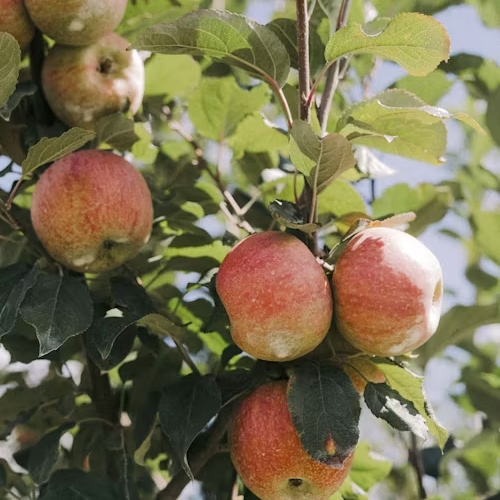
Grow Apple Trees
Growing your own apple trees offers more than just delicious fruit. It’s a rewarding experience that connects you to nature, adds beauty to your landscape, and gives you a sense of accomplishment every time you pick an apple you nurtured from a seedling.
Getting Started with Apple Trees
Before planting, it’s important to think strategically about where your apple trees will go. A successful orchard—whether it’s one tree or several—starts with good planning. Consider the amount of sunlight the area gets, the type of soil you have, and how much space the trees will need to grow properly without being crowded. Pollination is also key: some apple varieties need a partner tree nearby to produce fruit.
You’ll also want to understand your soil. Knowing whether it’s clay, sandy, or loamy will help you prepare it properly. Once that’s in place, you can choose whether to plant bare-root trees or container-grown ones—both are beginner-friendly with the right approach.
Caring for Your Apple Trees
After planting, consistent care is essential. Watering is one of the biggest factors in early growth. Knowing how much and how often to water can prevent common problems like root rot or drought stress. Pruning is another vital task—apple trees thrive with a central leader shape that promotes strong structure and healthy fruit production.
Fertilizing also plays a role, especially during the growing season. Timing is important, though, as fertilizing too late in the year can make trees more vulnerable to cold damage. As your trees mature, you’ll also want to stay ahead of pests and diseases. Regular inspections and preventive care, including targeted spraying when needed, can keep your trees healthy and productive.
Ready to Learn More?
This series of articles guides you through every stage—from planting to harvesting. Whether you’re browsing through the topics or following the full journey, we’re here to help you grow confident in your orchard care.
Grow Apple Trees
(From the “How to Grow Apple Trees” Series by 1st Choice Fertilizer)
There’s something special about growing apple trees—whether it’s picking your own crisp, homegrown apples, being part of a long tradition, or simply enjoying the satisfaction of watching your trees flourish under your care.
Where to Begin: Planting with Purpose
Before you dig that first hole, it’s worth spending some time planning. Choosing the right location for your apple trees can make all the difference in how well they grow and how much fruit they’ll produce. Key things to consider include sunlight exposure, soil quality, spacing, and pollination needs—some apple varieties need a partner nearby to set fruit.
You’ll also want to get to know your soil. Different soil types affect how roots take hold and how water drains. Our guides at 1st Choice Fertilizer walk you through how to prepare your soil and get it ready for planting. Whether you’re starting with bare-root or potted trees, both are beginner-friendly with just a few simple steps.
Ongoing Care: Keeping Your Trees Healthy
Once your apple trees are in the ground, good care is what keeps them thriving year after year. That starts with watering—knowing how much and how often helps prevent root stress or disease. Pruning is another essential task. Apple trees respond well to a central-leader pruning style, which promotes strong growth and balanced fruit production.
Fertilizing is also key to long-term success. At 1st Choice Fertilizer, we provide guidance on when and how to feed both young and mature trees, and how to time applications to avoid winter damage. You’ll also find tips on identifying common pests and diseases, along with proven prevention and treatment strategies, including safe spraying practices.
More to Explore
From planting to harvesting, this series of articles covers everything you need to grow successful apple trees. Use the “In This Series” menu to jump to the topic you’re most interested in, or follow the guides step by step for the full experience.
Acclimating Apple Trees Before Planting
(From the “How to Grow Apple Trees” Series by 1st Choice Fertilizer)
Before your apple trees ever set roots in the ground, there’s one crucial step to ensure they get the best start: acclimation—also known as hardening off. This process gradually gets your young trees used to life outside of the controlled environment they were raised in.
At 1st Choice Fertilizer, many of our potted trees are greenhouse-grown, meaning they may arrive with tender new leaves and shoots. While this early growth is a sign of health, it also makes the trees more vulnerable to outdoor elements like direct sun, wind, or fluctuating temperatures.
Why Acclimation Matters
New growth is especially sensitive to environmental stress, and skipping the acclimation step could lead to leaf damage or overall transplant shock. Conditions that may harm young transplants include:
-
Temperatures below 50°F or above 90°F
-
Sudden frost
-
Intense sunlight
-
Strong or drying winds
These issues are common in early spring but can happen at other times depending on your location. That’s why acclimation is key before planting your trees outdoors.
Acclimating Bare-Root Apple Trees
Bare-root trees are shipped dormant and arrive without any soil around their roots. This dormancy helps them handle transplanting with less water loss, but they still benefit from gentle handling.
Before planting:
-
Soak the roots in water for 1–2 hours (no more than 24 hours).
-
Plant as soon as possible—preferably in early spring or fall, when conditions are mild.
-
Avoid late planting to reduce the risk of transplant shock.
Acclimating Potted & Bagged Apple Trees
If your trees arrive in containers and already have leafy growth, they’ve likely been raised in greenhouse conditions. Here’s how to ease their transition to outdoor life:
-
Unpack and place them outdoors in a protected, partially shaded area—like a covered porch.
-
After a day or two, move them to a sunnier location to increase light exposure gradually.
-
Water upon arrival, then allow the top inch of soil to dry between waterings. This controlled stress encourages hardiness.
-
Watch the leaves. If you see any browning or curl-back, move the tree to filtered sunlight and away from strong winds.
-
Cool breezes are helpful, but avoid leaving them out overnight if temperatures dip near freezing. Bring them indoors if needed.
After 2–3 days, if weather conditions are favorable and soil temps are above 50°F, your apple trees are ready for planting. For best results, choose a cloudy or overcast day to reduce stress during transplant.
A Few Extra Tips
-
Adapt to your area: Depending on your region and the current season, your trees may need more or less time to acclimate.
-
Indoor option: If conditions are too harsh outdoors, keep your potted trees near a sunny window and treat them like houseplants until the weather cooperates.
-
Be patient: Every tree is different—some adjust quickly, while others need more time.
Acclimating your trees properly is one of the best ways to ensure they thrive in their new home. It’s a small step with a big payoff—and just one part of growing strong, productive apple trees with 1st Choice Fertilizer by your side.
Choosing the Right Location to Plant Apple Trees
(From the “How to Grow Apple Trees” Series by 1st Choice Fertilizer)
Success starts before you ever put a shovel in the ground. Choosing the right location for your apple trees can save you from many headaches down the road—and give your trees the best chance to thrive and produce delicious fruit for years to come.
Here are five key things to consider before planting your apple trees:
-
Cross-pollination
-
Sunlight and soil quality
-
Surroundings
-
Spacing
-
Room to grow in the future
1. Cross-Pollination: Better Together
One of the most common reasons apple trees fail to produce fruit is a lack of proper pollination. Apple trees often need a companion of a different variety to help them bear fruit. For example, a Fuji apple tree may need a Gala or Granny Smith nearby to cross-pollinate.
Pollination happens when insects or the wind carry pollen between trees, so you’ll want to plant your apple trees within 100 feet of each other for effective cross-pollination.
2. Sunlight & Soil: Set the Stage for Growth
Apple trees love full sun—at least 6 to 8 hours of direct sunlight a day during the growing season. More sun equals better fruit production and healthier trees.
Equally important is good soil drainage. Apple tree roots can suffer in standing water, so avoid planting in areas where rainwater lingers. If your native soil is clay-heavy, consider amending it or choosing a new site. If it’s sandy and fast-draining, be prepared to water more frequently.
Need a workaround for poor soil? Build a bottomless raised bed (at least 12 inches deep and 3–4 feet wide), or start your tree in a 5-gallon container and size up as it grows.
You can also enhance soil texture with compost, peat, or our Coco-Fiber Growing Medium. When in doubt, your local county extension office can offer guidance specific to your region.
3. Check the Surroundings: Think Long-Term
Before planting, visualize your tree at full size. Will it interfere with anything?
-
Are there power lines overhead or underground utilities below?
-
Will it grow too close to foundations, sidewalks, or fences?
-
Could it block a view you want to keep open?
-
Will nearby trees cast shade on it as they grow?
Relocating a mature apple tree is difficult, so make sure you’re happy with the spot from day one.
4. Space Wisely: Roots Need Room
Roots spread out just like branches do. While patios or dry areas typically won’t attract aggressive root growth, moist areas like sewer and water lines will. To prevent issues, leave plenty of space between your tree and nearby structures.
Here’s a quick guide to spacing:
-
Dwarf trees: 8–10 feet apart
-
Semi-dwarf trees: 12–15 feet apart
-
Standard trees: 18–20 feet apart
-
Columnar trees: 2–3 feet apart
Use the tree’s mature height as a guide for how much space it will need to thrive.
5. Leave Room for Growth—Literally
When you’re just getting started, it’s smart to plant only a few trees. But once you taste the rewards of growing your own apples, chances are you’ll want to plant more!
Plan ahead by leaving space for future apple trees or even other fruit-bearing plants, such as berries or peaches. Giving yourself this flexibility now will make expansion easy later—and help maintain harmony in your home orchard.
Ready to Plant? You’re Almost There.
Choosing the right spot is one of the best investments you can make in the future health and productivity of your apple trees. With careful planning and a little help from 1st Choice Fertilizer, you’re setting your trees up for long-term success.
How to Plant Apple Trees the Right Way
(From the “How to Grow Apple Trees” Series by 1st Choice Fertilizer)
Establishing a healthy apple tree begins with how—and where—you plant it. While apple trees are fairly low-maintenance once settled, giving them a solid foundation is the key to years of vigorous growth and bountiful harvests.
Getting Started: Prep Before You Plant
Before planting, soak the roots of your bare-root apple tree in a bucket of water for 1–2 hours (but no more than 6). This keeps them hydrated while you prepare the site. Never allow roots to freeze or dry out prior to planting.
Step-by-Step Planting Guide
-
Dig Deep & Wide
Dig a hole that’s wide and deep enough to comfortably accommodate the entire root system. Save the topsoil in a separate pile—it’s the most nutrient-rich and should go back in first. -
Enrich the Soil
Mix in aged compost, rotted manure, coir (like our Coco-Fiber Growing Medium), or peat moss with the topsoil. If using peat, be aware of its acidic pH—coir is a more neutral alternative. -
Position the Tree
Place the tree in the center of the hole, spreading the roots gently. Hold the trunk upright and begin backfilling with enriched topsoil, tamping as you go to eliminate air pockets. -
Form a Water Catchment Basin
On sloped ground, build a 2-inch berm around the planting hole to hold water. Finish by mulching around the base to protect against erosion, moisture loss, and cold weather injury.
After Planting: Water, Mulch, and Protect
-
Water thoroughly—use about a gallon of water to soak the roots.
-
Avoid fertilizing in the fall; instead, wait until spring. If spring planting, use a water-soluble starter like 1st Choice Fertilizer’s Fruit Tree Booster.
-
Top up soil if it settles after watering.
-
Mulch with 2–3 inches of organic material (wood chips, straw) to retain moisture and suppress weeds.
-
In late fall, consider adding more mulch or a layer of straw for winter protection.
-
Keep mulch pulled back a few inches from the trunk to prevent rodent damage and trunk rot.
Special Planting Tips for Grafted Apple Trees
Most apple trees, including those from 1st Choice Fertilizer, are grafted—a growing method where one variety is fused to a specially selected rootstock for improved size control and hardiness.
-
For dwarf, semi-dwarf, and columnar trees: Keep the graft union 2–3 inches above soil level to maintain proper size control.
-
For standard-size trees: Plant the tree 1–2 inches deeper than the soil line from the nursery. This gives added anchorage and protection.
The graft union is visible as a bump or angle change near the base of the trunk. Keeping it above ground is crucial to prevent the tree from outgrowing its rootstock and becoming larger than expected.
How to Plant Potted Apple Trees
If you received your tree in a pot, here’s how to give it a smooth transition:
-
Unpack carefully and water immediately, ensuring all roots are moist.
-
If you can’t plant right away, keep the tree in a shaded, protected area and never submerge the pot in water.
-
Remove the tree from its container—if it’s stuck, gently loosen the sides of the pot.
-
Keep most of the soil intact around the roots, but gently untangle any encircling roots.
-
Plant and backfill just like a bare-root tree, and water deeply after planting.
-
Stake your new tree—especially if it arrived with a bamboo support. New trees benefit from extra stability as they root.
⚠️ Important: Do not plant the plastic pot in the ground. It won’t decompose and can strangle your tree’s roots over time.
Final Tip: Remove the Tag!
Those plastic nursery tags are helpful at first—but if left on, they can constrict the trunk and cause permanent damage as the tree grows. If you want to keep it, reattach it loosely with soft string or twine and check it regularly.
You’re On Your Way
With careful planting and a little planning, your apple tree is ready to flourish. And with 1st Choice Fertilizer in your corner, you’ll have all the guidance and products you need to nurture strong, fruitful growth from day one.
How to Prepare Soil for Planting Apple Trees
(From the “How to Grow Apple Trees” Series by 1st Choice Fertilizer)
Before your apple trees even touch the soil, proper preparation sets the stage for long-term success. Healthy soil means healthy roots—and healthy roots lead to strong, productive trees.
Whether you’re planting in spring or fall, preparing your soil ahead of time gives your apple tree the best possible start. Here’s what you need to know.
Why Soil Preparation Matters
The right soil environment allows your tree to:
-
Access essential nutrients
-
Maintain proper moisture levels
-
Grow a deep, supportive root system
-
Resist disease and environmental stress
We recommend testing your soil before planting and again annually to monitor nutrient levels, pH, and moisture. You can use one of our 1st Choice Digital Soil Meters for quick, at-home readings, or collect a sample to send to your local Cooperative Extension for a comprehensive lab test.
Understanding Soil Types
Your native soil determines how much amending you’ll need to do. Here’s how to identify what you’re working with:
-
Clay or Silt Soils
Fine-textured, heavy, and sticky when wet. These soils retain moisture well but resist water penetration when dry and are prone to compaction and puddling. -
Loam Soils
The ideal mix: rich in organic matter, soft, and crumbly when moist. Loam holds moisture while still allowing airflow and drainage. It’s well-balanced and easy to improve with compost or other organic material. -
Sandy Soils
Coarse and loose with visible particles. Sand drains quickly but doesn’t hold water or nutrients well. Apple trees in sandy soil will need more frequent watering and organic amendments to improve moisture retention.
When to Prepare the Soil
Soil prep can happen any time the ground is not frozen or saturated. In most climates, this means early spring or fall is best. If you’re prepping for spring planting, start amending in the fall so the materials have time to integrate.
What to Add to Your Soil
Apple trees benefit from well-aerated, nutrient-rich soil. The following amendments help build that foundation:
-
Compost – Feeds soil microbes and improves texture and moisture retention.
-
Manure – Well-aged manure adds nutrients and organic matter.
-
Sand – Can help loosen heavy clay soils (used in combination with compost).
-
Sphagnum/Peat Moss – Lowers pH in alkaline soils; helps retain moisture in sandy soil.
-
Garden Lime – Raises soil pH in overly acidic soils (pH below 6.0).
Pro Tip: Don’t overlook what’s already in your yard. Grass clippings, shredded leaves, and mulched garden waste are great free resources that break down into valuable organic matter. Start collecting them in the fall for use in spring soil prep.
How Organic Matter Helps Different Soils
-
In sandy soil:
Organic materials bind the large particles together, helping retain moisture and slow nutrient leaching. -
In clay or silt soil:
Organic matter breaks up dense particles, improving drainage and making it easier for tree roots to spread. -
In poor soils:
Compost and natural amendments restore microbial life, which enhances nutrient uptake and promotes long-term fertility.
Your Soil, Your Success
Great soil is one of the most important investments you can make in your apple trees. And it pays off in stronger growth, fewer issues, and better harvests down the road.
Ready to move on? In the next part of our “How to Grow Apple Trees” series, we’ll guide you through watering your newly planted tree—how much, how often, and how to avoid the most common mistakes.
Need help choosing soil amendments?
Explore our full line of organic and premium products at www.1stChoiceFertilizer.com.
Fertilizing Apple Trees for Healthy Growth and Fruit Production
(From the “How to Grow Apple Trees” Series by 1st Choice Fertilizer)
Fertilizing apple trees is one of the best ways to boost soil health and ensure your trees get the nutrients they need—especially nitrogen, which fuels strong vegetative growth in the early stages of development.
But not all apple trees need the same amount of nutrients. That’s why it’s important to test your soil first. Whether you’re planting for the first time or caring for a mature tree, soil testing helps you apply the right amount—and the right kind—of fertilizer.
Why Fertilize Apple Trees?
Fertilizer isn’t just “plant food”—it’s a precise tool that supplements your soil with essential nutrients your apple trees need to thrive.
The three key macronutrients in fertilizers are:
-
Nitrogen (N): Encourages leafy growth and strong branches
-
Phosphorus (P): Supports root development and flower/fruit production
-
Potassium (K): Improves disease resistance and overall tree health
You’ll find these labeled as N-P-K on fertilizer products, including our 1st Choice Premium Fertilizer blends—designed specifically for fruit trees at different stages of life.
Always Test Before You Fertilize
Different soils contain different levels of nutrients. Over-fertilizing can be just as damaging as under-fertilizing. That’s why we strongly recommend testing your soil with a 1st Choice Digital Soil Meter or submitting a sample to your local Extension office.
Once you know your soil’s composition, you can select the right fertilizer for your tree’s needs—whether that’s a slow-release organic granule or a water-soluble mix designed for quick nutrient uptake.
Fertilizing Young Apple Trees
If your apple tree is newly planted and in nutrient-rich soil, you may not need to fertilize right away. But if you notice less than 8–12 inches of new green growth in a season, it’s a sign your tree may need a nutrient boost the following spring.
Our 1st Choice Fruit Tree Starter Formula is a great water-soluble option for young trees. It delivers balanced nutrients right where they’re needed, helping your tree establish a strong root system and healthy canopy.
Fertilizing Mature Apple Trees
Once your apple trees begin producing fruit (typically 2–4 years after planting), their nutrient needs increase—especially their demand for nitrogen.
Apply a high-nitrogen fertilizer early in the growing season to fuel fruit production and continued growth. We recommend 1st Choice Orchard Boost Granules, formulated for fruiting trees and easy to apply around the drip line of your tree.
When to Fertilize Apple Trees
-
First application: Early spring, as soon as the soil is workable
-
Final application: No later than July 1st
⚠️ Important: Avoid fertilizing past early July. Late-season fertilizing can trigger new growth that won’t harden off in time for winter, leaving the tree vulnerable to cold damage.
Always read and follow the label instructions for any fertilizer product. And check with local guidelines—some regions have seasonal restrictions on fertilizer use to protect waterways and the environment.
Different Apple Trees, Different Needs
Not all apple varieties need the same amount of nitrogen. Here’s a general guide:
“Light feeders” (require less nitrogen):
-
Early-ripening and soft-fleshed varieties
-
Ideal for fresh eating
Examples: Cortland, Golden Delicious, Jonagold, Ginger Gold, McIntosh, Gravenstein
“Heavy feeders” (need more nitrogen):
-
Firm-flesh apples or those used for cooking and storage
Examples: Fuji, Gala, Honeycrisp, Empire, Granny Smith, Winesap, York Imperial
⚙️ Don’t Forget Micronutrients
Alongside N-P-K, micronutrients like calcium play a vital role in apple tree health. For example, Honeycrisp apple trees are known to be calcium-sensitive, and low levels can affect both the fruit and the tree’s structure.
To correct a calcium deficiency, apply a supplement add 1st Choice Earth-Care Prime 5-8-8 Calcium+— during the growing season.
Need help selecting the right fertilizer for your tree?
Visit www.1stChoiceFertilizer.com for our complete line of products and expert guides tailored to fruit tree care.
Pest & Disease Control for Apple Trees
(From the “How to Grow Apple Trees” Series by 1st Choice Fertilizer)
As your apple tree grows, it may face challenges from pests and diseases. Location, weather, and care affect which problems arise and how well your tree resists them. Choosing disease-resistant varieties and following good maintenance practices like watering, fertilizing, pruning, spraying, cleanup, and winter protection can help keep your trees healthy and productive.
Common Apple Tree Pests
Aphids
Tiny insects clustering on stems and leaf undersides.
Symptoms: Curled, yellowing leaves; sticky “honeydew” residue that attracts ants and encourages sooty mold.
Control:
-
Sprays: GardenTech® Sevin®, Monterey Fruit Tree Spray Plus
-
Natural: Monterey Fruit Tree Spray Plus, Monterey Horticultural Oil, Safer® Insect Killing Soap, Natural Guard® Neem, Ferti-lome® Triple Action
Apple Maggot
Adults look like small houseflies; larvae are white grubs tunneling fruit.
Symptoms: Pinpoint sting marks on fruit, tunnels inside.
Control:
-
Sprays: GardenTech® Sevin®, Monterey Fruit Tree Spray Plus
-
Natural: Monterey Fruit Tree Spray Plus, Ferti-lome® Triple Action
Bud Moth
Moths ~1/2-inch long; larvae roll leaves and feed on fruit near stem.
Symptoms: Leaf holes, fruit scarring, rot or corking near stem.
Control:
-
Sprays: Monterey Fruit Tree Spray Plus
-
Natural: Monterey Horticultural Oil, Hi-Yield® Vegetable & Ornamental Insect Control, Natural Guard® Caterpillar Killer Spray w/BT
Codling Moth
Moths gray with brown patches; larvae burrow into fruit.
Symptoms: Holes through fruit to core.
Control:
-
Sprays: Monterey Fruit Tree Spray Plus
-
Natural: Monterey Horticultural Oil, Natural Guard® Caterpillar Killer Spray w/BT
Flatheaded Apple Tree Borer
Brown beetles lay eggs on trunks; larvae tunnel inside, weakening tree.
Symptoms: Gummy sap from round holes in trunk; branch dieback.
Control:
-
Manual: Use fine wire to remove larvae if detected early
-
Sprays: GardenTech® Sevin® Concentrate Bug Killer
Gypsy Moth
Hairy black caterpillars defoliate trees heavily.
Control:
-
Keep site clean of debris where eggs may be laid
-
Natural sprays: Monterey Horticultural Oil, Natural Guard® Caterpillar Killer Spray w/BT
Japanese Beetle
Metallic green beetles skeletonize leaves; larvae feed on turf roots.
Control:
-
Manual removal into soapy water for small infestations
-
Sprays: Monterey Fruit Tree Spray Plus
Leafhopper
Small, slender insects on leaf undersides.
Symptoms: White mottling, stunted growth, disease transmission.
Control:
-
Sprays: Monterey Fruit Tree Spray Plus
-
Natural: Safer® Insect Killing Soap, Ferti-lome® Triple Action
Leafroller
Pale yellow/green worms roll and web leaves.
Symptoms: Rolled leaves, skeletonized foliage.
Control:
-
Sprays: GardenTech® Sevin®, Monterey Fruit Tree Spray Plus
-
Natural: Monterey Horticultural Oil, Hi-Yield® Vegetable & Ornamental Insect Control, Natural Guard® Caterpillar Killer Spray w/BT, Ferti-lome® Triple Action, Natural Guard® Neem
Mites
Tiny arthropods on leaf undersides.
Symptoms: Bronze leaf color, webbing in severe cases.
Control:
-
Sprays: GardenTech® Sevin®, Monterey Fruit Tree Spray Plus
-
Natural: Monterey Horticultural Oil, Safer® Insect Killing Soap, Ferti-lome® Triple Action, Natural Guard® Neem
Plum Curculio
Brown beetle with snout; lays eggs in fruit.
Symptoms: Crescent-shaped cuts on fruit, worm tunnels, premature fruit drop.
Control:
-
Site cleanup: Remove dropped fruit quickly
-
Spray timing critical: Monterey Fruit Tree Spray Plus (just after petal fall)
Red Bug
Small red insects feeding on leaves and fruit.
Symptoms: Leaf distortion, dimpled or rusty fruit surface.
Control:
-
Natural sprays: Monterey Horticultural Oil
Scale
Hard, scaly bumps on twigs and branches.
Symptoms: Weakens tree by sap feeding.
Control:
-
Sprays: GardenTech® Sevin®, Monterey Fruit Tree Spray Plus
-
Natural: Monterey Horticultural Oil, Safer® Insect Killing Soap, Ferti-lome® Triple Action, Natural Guard® Neem
Tarnished Plant Bug
Yellow-brown winged insect causing fruit deformities.
Symptoms: Stunted growth, cat-facing on fruit.
Control:
-
Natural sprays: Safer® Insect Killing Soap, Monterey Fruit Tree Spray Plus, Ferti-lome® Triple Action
Tent Caterpillar
Hairy grayish caterpillars making webs on branches.
Symptoms: Webbed leaves, heavy defoliation.
Control:
-
Site cleanup: Remove and burn webs
-
Sprays: Monterey Fruit Tree Spray Plus
-
Natural: Safer® Insect Killing Soap, Natural Guard® Caterpillar Killer Spray w/BT
Thrips
Tiny, slender insects feeding on foliage.
Symptoms: Deformed, discolored leaves and buds.
Control:
-
Natural sprays: Monterey Fruit Tree Spray Plus, Safer® Insect Killing Soap, Monterey Horticultural Oil
Common Apple Tree Diseases
Anthracnose
Fungal disease favored by cool, wet weather.
Symptoms: Sunken, orange-brown cankers on bark; brown spots on leaves and fruit (Bull’s Eye rot).
Control:
-
Natural fungicides: Monterey Liquid Copper Fungicide, Natural Guard® Neem, Monterey Fruit Tree Spray Plus
Bitter Rot
Fungal disease favored by warm, wet weather.
Symptoms: Sunken, brown fruit spots with concentric rings; fruit rots to core and mummifies.
Control:
-
Site cleanup: Remove infected fruit and mummies promptly
-
Prune for air flow and remove dead/diseased limbs
-
Sprays: Monterey Fruit Tree Spray Plus, Hi-Yield® Captan 50W Fungicide
-
Natural fungicides: Monterey Liquid Copper Fungicide
Black Rot & Frog-Eye Leaf Spot
Fungal disease favored by warm, wet weather.
Symptoms: Black/purple fruit spots with concentric rings; leaf spots with ‘frog-eye’ pattern; limb cankers.
Control:
-
Site cleanup: Remove infected fruit and limbs
-
Prune for air circulation
-
Sprays: Hi-Yield® Captan 50W Fungicide, Monterey Fruit Tree Spray Plus
-
Natural fungicides: Monterey Liquid Copper Fungicide
Cedar Apple Rust
Fungus requiring both apple and cedar/juniper trees.
Symptoms: Yellow-orange spots with black centers on apple leaves; orange gelatinous galls on cedar in spring.
Control:
-
Sprays: Monterey Fruit Tree Spray Plus, Ferti-lome® Triple Action, Natural Guard® Neem
Additional Resources
Contact your local county Cooperative Extension for tailored advice and identification assistance.
Pruning Apple Trees
(From the “How to Grow Apple Trees” Series by 1st Choice Fertilizer)
Pest and Disease Control for Apple Trees: Effective Spraying Guidelines
(From the “How to Grow Apple Trees” Series by 1st Choice Fertilizer)
To begin, it’s important to understand the typical pests and diseases that commonly impact apple trees in your region. Local resources such as your county’s Cooperative Extension office can provide valuable guidance, as can university websites that often offer detailed identification and treatment recommendations. Additionally, independent garden centers and seasoned local growers can be great sources of practical, location-specific advice.
If you’re growing apple trees in an area with a high concentration of orchards, sticking to a regular and well-planned spraying routine is crucial for maintaining healthy trees and ensuring good fruit production. Preventive spraying before infestations or infections take hold can help avoid more serious problems later. Applying treatments carefully and consistently will yield the best outcomes.
When to Spray Apple Trees
-
Dormant Season: Late winter or early spring before bud break.
-
Growing Season – Bud Break: As new growth emerges.
-
Growing Season – After Blossom: After petals drop, allowing bees to safely pollinate.
Important: Always follow the instructions on product labels carefully. Never mix chemicals unless the labels explicitly state it’s safe.
Pest Control Sprays
| Product | Pests Controlled | Timing | Type | Application Tips |
|---|---|---|---|---|
| Monterey Horticultural Oil | Aphids, mites, scale, whiteflies, sawflies, thrips, worms, etc. | Dormant, Pre-Bloom, Post-Blossom | Mainly preventative | Apply as directed. Avoid spraying stressed plants or <32ºF. Test sensitivity. |
| Hi-Yield Vegetable & Ornamental Insect Control | Ants, cutworms, crickets, grasshoppers, weevils, wireworms, etc. | After Blossom | Active, contact control | Spray every 7 days as needed. Can be applied up to 7 days before harvest. |
| Safer® Brand Insect Killing Soap | Aphids, mealybugs, mites, thrips, whiteflies, etc. | After Blossom | Mainly active, organic compliant | Spray every 5–7 days while pests present. Can be used up to harvest day. |
| Natural Guard® Caterpillar Killer w/BT | Bagworms, tent caterpillars, gypsy moths, hornworms, etc. | Bud Break or After Blossom | Active, contact control | Spray when worms appear; repeat every 5–7 days. Up to harvest day. |
| GardenTech® Sevin® Bug Killer | Apple aphid, apple maggot, leafrollers, scale insects, etc. | After Blossom | Active, contact control | Apply 30 days after full bloom; spray every 7 days, max 8 times/year. |
Disease Control Sprays
| Product | Diseases Controlled | Timing | Type | Application Tips |
|---|---|---|---|---|
| Hi-Yield® Captan 50W Fungicide | Black rot, botrytis, brown rot, scab, cedar apple rust | Bud Break, After Blossom | Active and preventative | Follow label rates. Can be applied up to harvest day. |
| Monterey Liquid Copper Fungicide | Powdery mildew, rust, black spot, leaf spot, fruit rot, etc. | Dormant and Growing Season | Active and preventative | OMRI certified organic. Use up to harvest day. |
| Ferti-Lome® Fire Blight Spray | Fire blight, bacterial wilt, stem rot, leaf spot, crown gall | Bud Break, After Blossom | Mainly preventative | Apply every 3-4 days during bloom, every 5-7 days after. Avoid visible fruit. |
| Serenade® Garden Disease Control | Anthracnose, fire blight, powdery mildew, rust, scab, and more | Bud Break, After Blossom | Mainly preventative | Spray every 7 days as needed; safe in full sun and heat. |
Combination Sprays for Pests & Diseases
| Product | Pests Controlled | Diseases Controlled | Timing | Type | Application Tips |
|---|---|---|---|---|---|
| Ferti-lome® Triple Action | Whiteflies, aphids, spider mites, beetles, caterpillars, ants, etc. | Powdery mildew, black spot, downy mildew, scab, leaf spot, etc. | After Blossom | Active and preventative | Spray every 7-14 days. Use up to harvest day on fruits/veggies. |
| Natural Guard® Neem | Aphids, spider mites, scale, whiteflies, beetles, leafrollers | Powdery mildew, rust, scab, botrytis, alternaria, and others | Dormant, Bud Break, After Blossom | Mainly preventative and active | Apply early morning or late evening to avoid leaf burn. Spray every 7-14 days. |
| Monterey Fruit Tree Spray Plus | Aphids, mites, beetles, leafminers, worms, grasshoppers, ants, etc. | Powdery mildew, black spot, brown spot, scab, blight, etc. | Pre-Bloom and After Blossom | Active and preventative | Apply every 7-14 days. Max 10 applications per season. Avoid spraying stressed plants or below 45ºF. |
| Monterey Horticultural Oil | Aphids, mites, scale, whiteflies, leafrollers, thrips, worms, etc. | Black spot, powdery mildew, rust, sooty mold | Dormant, Pre-Bloom, After Blossom | Mainly preventative | See above pest spray notes. |
Tips for Effective Spraying
-
Follow product labels carefully for rates, timing, and safety.
-
Spray consistently and thoroughly to cover all foliage and branches.
-
Avoid spraying during extreme temperatures or drought stress.
-
Apply after rain only when leaves have dried.
-
Test plant sensitivity with any new product on a small area.
-
Use protective equipment like gloves and masks when applying chemicals.
-
Give pollinators time to work by spraying after petals have dropped when possible.
Remember: Regular monitoring and early intervention are key to preventing serious pest or disease outbreaks in your apple trees. Your trees will reward your care with healthier growth and more abundant fruit!
Watering Apple Trees
(From the “How to Grow Apple Trees” Series by 1st Choice Fertilizer)
If your apple trees aren’t planted in especially dry environments—like arid regions, drought zones, or containers—you likely won’t need to irrigate them much beyond what natural rainfall provides after the first year. That said, young trees during their initial season will benefit from a consistent watering routine to get firmly established.
Using a product like 1st Choice Fertilizer can make a big difference. This fertilizer not only nourishes the soil but also helps it hold onto moisture, keeping the root zone hydrated longer and reducing the need for frequent watering.
Watering Tips for New Apple Trees
During the first growing season, your goal should be to keep the root area evenly moist—but not soaked. If your area sees around one inch of rain every 7 to 10 days, that usually takes care of the tree’s needs. If rainfall is scarce, supplement with a deep watering session. A slow trickle from a hose placed near the base works well, allowing moisture to seep deep into the ground. Soaker hoses are also handy if you’re caring for several trees at once.
Avoid watering too often or too lightly. Daily surface watering can cause shallow root development and may actually stress the tree. Instead, water deeply just once every week to 10 days. In cooler or clay-heavy soils, even every two weeks may be sufficient. Be cautious not to overwater, as excess moisture can suffocate roots and lead to rot.
If you dig a shallow basin around the tree to help catch water during the growing months, be sure to level it before winter arrives. This helps prevent ice damage caused by water pooling and freezing at the base of the trunk.
Reminder: These are general recommendations. Your tree’s watering needs will depend on your local weather and soil type. Observe the soil’s moisture and adjust as needed—let the tree and soil conditions guide your schedule.
Also, don’t forget to check whether your local area has any watering restrictions in place. Some regions enforce water-use limits during dry seasons, so it’s important to follow those rules when caring for your apple trees.
Enjoying the Fruits of Your Labor: Apple Harvest and Storage
(From the “How to Grow Apple Trees” Series by 1st Choice Fertilizer)
After seasons of nurturing your apple trees, the moment you’ve been waiting for finally arrives—harvest time! This is when all your effort pays off. As you begin picking your apples, there are a few things to keep in mind: knowing when your apples are ready and understanding how to store them properly to make the most of your crop.
When Will My Apple Tree Start Producing?
With good growing conditions and regular care, most apple trees will begin producing fruit within two to five years after planting. The timeline varies depending on tree size and variety, but patience and consistency are key.
Recognizing Ripe Apples
Don’t be too quick to pick—your apples will let you know when they’re ready. Ripe apples usually lose their greenish tint, develop richer, deeper coloring, and shift in flavor from tart to pleasantly sweet. Another clear sign of ripeness is when the seeds inside turn from white to dark brown. A simple trick to test ripeness: lift an apple gently upward and twist. If it detaches easily, it’s ready to harvest.
Apple harvesting typically begins in mid-to-late summer and can extend into early winter depending on your region and the apple variety. Here’s what you might expect from each tree type annually:
-
Dwarf varieties: 1 to 4 bushels
-
Semi-dwarf trees: 5 to 10 bushels
-
Standard trees: 10 to 20 bushels
-
Columnar trees: About 25 pounds of apples
How to Store Apples for Long-Term Use
If you’d like to keep your apples fresh well beyond harvest season, proper storage is crucial. In fact, many apple types retain excellent flavor and texture for several months when stored under the right conditions.
For the best storage results:
-
Pick slightly early – Just as apples begin to ripen, but before they’re fully soft.
-
Handle gently – Avoid bruising the fruit, as damaged apples tend to spoil quickly.
-
Sort carefully – Only store firm, blemish-free apples. One bad apple really can spoil the bunch.
Aim to store apples in a space that stays cool and humid—ideally between 32°F and 40°F. Perforated plastic bags work well in refrigerators, or consider a cool basement, cellar, or enclosed porch for short-term storage.
Check on your stored apples weekly. If any begin to soften or develop spots, remove them immediately to prevent rot from spreading to healthy fruit.
Whether you’re planning to eat your apples fresh, bake them into pies, or save some for the colder months, a little care during harvest and storage will help you get the most from your homegrown bounty.