

The Grow Guide
How to Grow Grape Vines
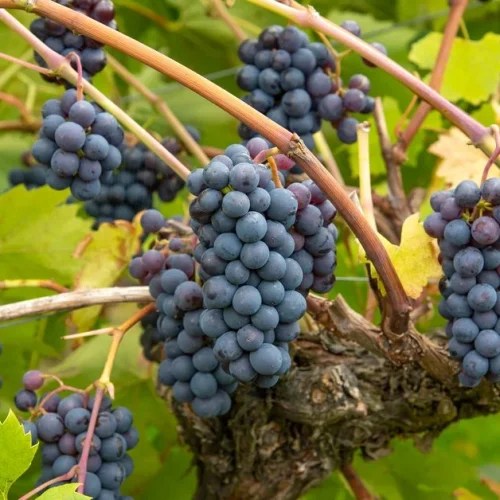
Growing Your Own Grapes
Growing your own grapevines offers more than just delicious fruit. It’s a rewarding experience that connects you to nature, adds beauty to your garden or vineyard, and gives you a sense of accomplishment every time you harvest grapes nurtured from your own vines.
Getting Started with Grapevines
Before planting, it’s important to plan carefully where your grapevines will go. A successful vineyard or garden patch—whether it’s one vine or many—starts with good site selection. Consider how much sunlight the area receives, the type of soil, and the space grapevines will need to grow without overcrowding. Grapes thrive in full sun and well-drained soil.
Understanding your soil is crucial. Whether it’s clay, sandy, or loamy will determine how you prepare it for planting. Once that’s sorted, you can decide between bare-root vines or container-grown plants—both are manageable with the right techniques.
Caring for Your Grapevines
After planting, consistent care is essential to help your grapevines thrive year after year. Watering plays a big role in early growth. Knowing how much and how often to water helps prevent issues like root rot or drought stress. Pruning is another vital practice—grapevines require regular pruning to promote healthy growth, improve airflow, and increase fruit production.
Fertilizing is important, especially during the growing season. Proper timing of fertilization supports strong vine growth without making the plants vulnerable to winter damage. As your vines mature, it’s also important to monitor for pests and diseases. Regular inspections and preventive care, including targeted spraying when necessary, keep your grapevines healthy and productive.
Ready to Learn More?
This series of articles guides you through every stage—from planting to harvest. Whether you want to jump to a specific topic or follow the full journey, we’re here to help you grow confident in your grapevine care.
Grow Grapes
(From the “How to Grow Grapes” Series by 1st Choice Fertilizer)
Growing your own grapes offers more than just delicious fruit. It’s a rewarding experience that connects you to nature, adds beauty to your garden, and gives you a sense of accomplishment every time you harvest your own homegrown grapes.
Where to Begin: Planting with Purpose
Before you plant your grapevines, it’s important to plan carefully. Choosing the right location can greatly influence how well your vines grow and how abundant your harvest will be. Grapevines thrive in full sun with well-draining soil. Make sure the spot has good air circulation and enough space for the vines to spread.
Understanding your soil type—whether sandy, loamy, or clay—is also key. Good drainage is crucial for healthy roots and preventing diseases. Preparing the soil properly ensures your vines get off to a strong start. Whether you’re planting bare-root vines or container-grown plants, we’ll guide you through the process to make it easy.
Ongoing Care: Keeping Your Vines Healthy
Once planted, grapevines require consistent care to stay healthy and productive. Watering deeply but infrequently encourages strong root growth and helps prevent disease. Proper pruning is vital—it controls vine size, improves air flow, and increases fruit quality. Grapevines typically need pruning during dormancy to prepare for a fruitful season.
Fertilizing is another important part of vine care. Knowing when and how to apply nutrients will support healthy growth without overfeeding, which can cause excessive foliage at the expense of fruit. Our experts provide advice tailored for young and mature vines, helping you optimize your fertilizing schedule.
Protecting Your Grapes
Like all plants, grapevines can face challenges from pests and diseases. Regular monitoring and preventive treatments help keep your vines strong. We offer proven strategies for identifying common grape pests and diseases, along with safe and effective spraying options when necessary.
Ready to Grow?
From selecting your vines to the joy of harvest, this series covers everything you need to cultivate thriving grapevines. Use the “In This Series” menu to explore topics that interest you most, or follow along step-by-step for comprehensive guidance
Grapevine Acclimating Before Planting
(From the “How to Grow Grapevines” Series by 1st Choice Fertilizer)
Before your grapevines ever take root in the soil, there’s one crucial step to ensure they get the best start: acclimation—also known as hardening off. This process gradually prepares your young vines for life outside the controlled environment where they were grown.
At 1st Choice Fertilizer, many of our potted grapevines are greenhouse-grown, meaning they may arrive with tender new shoots and leaves. While this early growth is a healthy sign, it also makes the vines more vulnerable to outdoor elements like direct sun, wind, and fluctuating temperatures.
Why Acclimation Matters
New grapevine growth is especially sensitive to environmental stress, and skipping the acclimation step could lead to leaf burn, wilting, or transplant shock. Conditions that may harm young grapevines include:
-
Temperatures below 50°F or above 90°F
-
Sudden frost or cold snaps
-
Intense midday sunlight
-
Strong or drying winds
These conditions are common during early spring but can occur at other times depending on your location. That’s why acclimation is key before planting your vines outdoors.
Acclimating Bare-Root Grapevines
Bare-root grapevines arrive dormant without soil around their roots. This dormancy helps them handle transplanting with minimal stress, but gentle care is still important.
Before planting:
-
Soak the roots in water for 1–2 hours (no more than 24 hours) to hydrate them.
-
Plant as soon as possible—ideally in early spring or fall when temperatures are mild.
-
Avoid late planting to reduce the risk of transplant shock.
Acclimating Potted & Container-Grown Grapevines
If your vines arrive in containers with leafy growth, they were likely raised in greenhouse conditions. Here’s how to help them adjust to outdoor life:
-
Unpack and place them in a sheltered, partially shaded spot—such as a covered porch or shaded garden area.
-
After 2–3 days, gradually move them into brighter, more direct sunlight to increase light exposure.
-
Water thoroughly upon arrival, then allow the top inch of soil to dry between waterings. Controlled drying encourages hardiness.
-
Watch for leaf browning or curling—if you see this, move vines to filtered light and away from strong winds.
-
Cool breezes are helpful, but avoid leaving them out overnight if temperatures approach freezing. Bring them indoors if necessary.
After 5–7 days, if weather conditions are favorable and soil temperatures are above 50°F, your grapevines will be ready for planting. For best results, plant on a cloudy or overcast day to minimize transplant stress.
Extra Tips for Successful Acclimation
-
Adapt to your climate: Your grapevines may need more or less time depending on your local weather and season.
-
Indoor option: If outdoor conditions are too harsh, keep potted vines near a bright window and treat them like houseplants until the weather improves.
-
Patience pays off: Every vine adjusts differently; some may harden off quickly, while others take a little longer.
Proper acclimation is a small step that leads to big rewards. It helps your grapevines settle in smoothly and promotes strong, healthy growth in their new home—starting you off on the right path with 1st Choice Fertilizer by your side.
Choosing the Right Location to Plant Grapevines
(From the “How to Grow Grapevines” Series by 1st Choice Fertilizer)
Success starts before you even put a shovel in the ground. Choosing the right location for your grapevines can save you many headaches later—and give your vines the best chance to thrive and produce abundant, flavorful grapes for years to come.
Here are five key factors to consider before planting your grapevines:
-
Sunlight exposure
-
Soil quality and drainage
-
Air circulation and surroundings
-
Spacing
-
Room to grow in the future
1. Sunlight: The Key to Sweet Grapes
Grapevines thrive in full sun, needing at least 6 to 8 hours of direct sunlight daily during the growing season. More sun usually means sweeter, more flavorful grapes and healthier vines overall.
Choose a site that is open and sunny, avoiding heavy shade from trees or buildings.
2. Soil Quality & Drainage: Roots Need to Breathe
Well-draining soil is crucial. Grapevines don’t tolerate “wet feet,” so avoid planting in low spots where water pools after rain.
Ideal soil for grapes is loamy and slightly sandy, with good organic content. Heavy clay soils can be improved by adding compost or organic matter, or you might consider building raised beds to improve drainage.
If your soil drains too quickly, frequent watering and organic mulch can help retain moisture.
3. Air Circulation & Surroundings: Protect Your Vines
Good airflow helps reduce humidity around your grapevines, lowering the risk of fungal diseases like powdery mildew.
Avoid planting in enclosed valleys or areas prone to stagnant air. Also, consider the proximity of trees, buildings, or fences that could cast shade or block breezes.
Make sure your vines won’t interfere with overhead power lines or underground utilities.
4. Space It Right: Give Your Grapevines Room
Grapevines need room to spread both above and below ground.
Here’s a general spacing guide:
-
Between vines: 6–8 feet apart
-
Between rows (if planting multiple rows): 8–10 feet apart
Proper spacing allows air to circulate, sunlight to reach leaves, and makes pruning and harvesting easier.
5. Plan for the Future: Growth and Expansion
When you’re planting your first grapevines, it’s wise to leave space for future additions.
Whether you want to expand your vineyard, add companion plants like herbs or flowers, or create a trellis system for your vines, planning ahead will save you work later and help maintain a healthy growing environment.
Ready to Plant? You’re Almost There.
Choosing the right location is one of the best investments you can make in the health and productivity of your grapevines. With thoughtful planning and the expert guidance of 1st Choice Fertilizer, you’ll be setting your vines up for many fruitful seasons ahead.
How to Plant Grapevines the Right Way
(From the “How to Grow Grapevines” Series by 1st Choice Fertilizer)
Establishing healthy grapevines begins with how—and where—you plant them. While grapevines are fairly resilient once settled, giving them a solid foundation is key to years of vigorous growth and abundant harvests.
Getting Started: Prep Before You Plant
If you have bare-root grapevines, soak the roots in a bucket of water for 1–2 hours (no more than 6) before planting to keep them hydrated. Never let the roots dry out or freeze before planting.
If you have potted grapevines, water them thoroughly before transplanting.
Step-by-Step Planting Guide
Dig Deep & Wide
Dig a hole large enough to comfortably accommodate the entire root system—generally about 12–18 inches deep and wide. Set aside the topsoil separately since it’s the most nutrient-rich.
Enrich the Soil
Mix the topsoil with aged compost, well-rotted manure, or organic matter like coir to improve texture and fertility. Grapevines prefer slightly acidic to neutral soil (pH 5.5–7.0).
Position the Vine
Place the vine in the center of the hole, spreading roots gently. Hold the main stem upright and begin backfilling with the enriched soil. Firm the soil as you go to remove air pockets.
Create a Water Basin
On sloped ground, shape a small berm around the hole to help retain water. After planting, mulch around the base with 2–3 inches of organic mulch such as straw or wood chips to conserve moisture and suppress weeds.
After Planting: Water, Mulch, and Support
-
Water thoroughly to soak the root zone—about a gallon or more depending on vine size and soil type.
-
Mulch well but keep mulch a few inches away from the main stem to prevent rot and rodent damage.
-
If planting in early spring, you can apply a balanced fertilizer like 1st Choice Fertilizer’s Vine Boost after new growth begins. Avoid fertilizing late in the season to reduce risk of winter damage.
-
Grapevines benefit from staking or a trellis system early on for support and to encourage healthy vine structure.
Special Notes for Bare-Root vs. Potted Vines
-
Bare-root vines: Plant as soon as possible after receiving. Keep roots moist and cool until planting.
-
Potted vines: If not planting immediately, keep them in a shaded area and water regularly. When planting, gently loosen the root ball and untangle any circling roots for best establishment.
Final Tip: Remove Nursery Tags
Tags left tightly on can girdle the young vine as it grows. Remove tags or loosely tie them to avoid damage.
You’re On Your Way
With careful planting and thoughtful care, your grapevines will establish strong roots and grow into a productive, healthy vineyard. And with 1st Choice Fertilizer by your side, you’ll have expert guidance and quality products to support your vines every step of the way.
How to Prepare Soil for Planting Grapevines
(From the “How to Grow Grapevines” Series by 1st Choice Fertilizer)
Before your grapevines ever touch the soil, proper preparation is essential for long-term success. Healthy, well-prepared soil means strong roots—and strong roots lead to vigorous vines and abundant grape clusters.
Whether you’re planting in spring or fall, taking the time to prepare your soil gives your grapevines the best possible start. Here’s what you need to know.
Why Soil Preparation Matters
The right soil environment helps your grapevines:
-
Access essential nutrients
-
Maintain balanced moisture levels
-
Develop deep, extensive root systems
-
Resist disease and environmental stresses
We recommend testing your soil before planting and monitoring annually. Use tools like 1st Choice Digital Soil Meters for quick at-home checks of moisture, pH, and nutrients, or send a sample to your local Cooperative Extension for a detailed analysis.
Understanding Soil Types
Your native soil type determines how much amending you’ll need:
Clay or Silt Soils
Heavy and compact, clay soils hold moisture well but can cause root suffocation if drainage is poor. Amending with organic matter is critical to improve drainage and aeration.
Loam Soils
Loam is ideal—balanced and rich in organic matter, it retains moisture while draining well. It’s easy to improve with compost and generally perfect for grapes.
Sandy Soils
Quick-draining and coarse, sandy soils don’t retain water or nutrients well. They require regular watering and organic amendments to boost moisture retention.
When to Prepare the Soil
Prepare soil whenever it’s workable—not frozen or waterlogged. Early spring or fall are the best times. If prepping for spring planting, start soil amendments in fall to let materials integrate fully.
What to Add to Your Soil
Grapevines thrive in well-drained, fertile soils. Consider these amendments:
-
Compost: Enhances microbial activity, improves texture, and moisture retention.
-
Well-aged Manure: Adds nutrients and organic matter for healthy roots.
-
Sand: Helps loosen heavy clay when mixed with organic matter.
-
Peat Moss or Coir: Retains moisture in sandy soils and improves soil structure.
-
Garden Lime: Raises pH if your soil is too acidic (below pH 5.5).
Pro Tip: Use yard waste like shredded leaves, grass clippings, and mulched garden debris as free organic matter. Collect and compost them in fall for soil prep in spring.
How Organic Matter Helps Different Soils
In Sandy Soil:
Organic matter binds particles together, improving water retention and slowing nutrient loss.
In Clay Soil:
It breaks up compacted particles, improving drainage and root penetration.
In Poor or Depleted Soil:
Amendments restore beneficial microbes, enhancing nutrient uptake and fertility over time.
Your Soil, Your Vineyard’s Success
Well-prepared soil is one of your best investments for growing healthy grapevines. It leads to strong growth, fewer disease problems, and bigger, better grape harvests.
What’s Next?
In the next article in our “How to Grow Grapevines” series, we’ll cover watering techniques—how much to water your new vines, how often, and how to avoid common mistakes that can stress your plants.
Need help picking the right soil amendments?
Explore our full line of organic and premium fertilizer products at www.1stChoiceFertilizer.com.
Fertilizing Grapevines for Healthy Growth and Abundant Harvests
(From the “How to Grow Grapevines” Series by 1st Choice Fertilizer)
Fertilizing grapevines is one of the best ways to boost soil health and ensure your vines get the nutrients they need—especially nitrogen, which supports vigorous vegetative growth in the early stages.
But not all grapevines require the same nutrient amounts. That’s why testing your soil first is essential. Whether you’re planting new vines or caring for established ones, soil testing helps you apply the right amount—and the right type—of fertilizer.
Why Fertilize Grapevines?
Fertilizer isn’t just “plant food”—it’s a targeted tool that supplements your soil with key nutrients your grapevines need to thrive and produce quality fruit.
The three primary macronutrients to look for in fertilizers are:
-
Nitrogen (N): Promotes leafy, healthy vine growth
-
Phosphorus (P): Supports root development and flower formation
-
Potassium (K): Enhances fruit quality, sugar content, and disease resistance
These nutrients are listed as N-P-K on fertilizer labels, including our 1st Choice Premium Fertilizer blends designed specifically for grapevines at different stages of growth.
Always Test Before Fertilizing
Soils vary widely in nutrient levels. Over-fertilizing can cause excessive vine growth with poor fruit set, while under-fertilizing can stunt growth and reduce yield. For best results, test your soil using a 1st Choice Digital Soil Meter or send a sample to your local Cooperative Extension.
Knowing your soil’s makeup helps you pick the right fertilizer—whether a slow-release organic option or a water-soluble formula for quick nutrient uptake.
Fertilizing Young Grapevines
Newly planted grapevines in fertile soil may not need immediate fertilization. But if you notice less than 12–15 inches of new growth in the first season, a nutrient boost the following spring can help.
Our 1st Choice Grape Vine Starter Formula is a balanced, water-soluble fertilizer designed for young vines. It supports healthy root establishment and vigorous canopy development.
Fertilizing Mature Grapevines
Once your grapevines begin producing fruit (usually 2–3 years after planting), their nutrient demands increase, particularly for potassium, which supports fruit quality and sugar accumulation.
Apply a fertilizer higher in potassium and balanced nitrogen and phosphorus early in the growing season, focusing on the root zone area. 1st Choice Vineyard Boost Granules are specially formulated for fruiting grapevines and easy to apply around the drip line.
When to Fertilize Grapevines
-
First application: Early spring, as soon as soil is workable
-
Final application: Mid to late summer, before the fruit fully ripens
⚠️ Important: Avoid fertilizing late in the season. Late fertilization can encourage unwanted vine growth that won’t harden off before winter, increasing vulnerability to cold damage.
Different Grapevines, Different Needs
Grapevine varieties vary in their nutrient demands. For example:
-
“Light feeders”: Some table grapes and early ripening varieties generally need less nitrogen.
-
“Heavy feeders”: Wine grapes and vigorous growers may require more nutrients to support large yields.
⚙️ Don’t Forget Micronutrients
Alongside N-P-K, micronutrients like magnesium and iron are crucial for grapevine health and fruit development. Deficiencies can cause leaf yellowing, poor fruit set, and reduced vine vigor.
If deficiencies arise, consider supplements like 1st Choice Earth-Care Prime with micronutrients, applied during the growing season.
Need help choosing the right fertilizer for your grapevines?
Visit www.1stChoiceFertilizer.com for our complete product line and expert guides tailored to grapevine care.
Pest & Disease Control for Grapevines
(From the “How to Grow Grapevines” Series by 1st Choice Fertilizer)
As your grapevines grow, they can face challenges from a variety of pests and diseases. Location, weather, and care practices influence which problems may arise and how well your vines resist them. Choosing disease-resistant grape varieties and following good vineyard management—including proper watering, fertilizing, pruning, spraying, sanitation, and winter protection—can keep your vines healthy and productive.
Common Grapevine Pests
Grape Leafhopper
Small, pale insects feeding on the underside of leaves.
Symptoms: White stippling, yellowing leaves, reduced photosynthesis.
Control:
-
Sprays: Monterey Fruit Tree Spray Plus
-
Natural: Safer® Insect Killing Soap, Monterey Horticultural Oil, Ferti-lome® Triple Action
Grape Mealybug
Small, white, cottony insects feeding on sap; often found in clusters.
Symptoms: Honeydew secretion causing sooty mold, leaf curling.
Control:
-
Sprays: Monterey Fruit Tree Spray Plus
-
Natural: Natural Guard® Neem, Monterey Horticultural Oil
Grape Berry Moth
Larvae tunnel into grape berries, causing fruit rot and drop.
Symptoms: Webbed clusters, damaged berries with entry holes.
Control:
-
Sprays: Monterey Fruit Tree Spray Plus
-
Natural: Natural Guard® Caterpillar Killer Spray with BT, Monterey Horticultural Oil
Phylloxera
Tiny aphid-like insects attacking roots and leaves.
Symptoms: Root galls, leaf yellowing, vine decline.
Control:
-
Use resistant rootstocks
-
Soil drenching with approved insecticides
Spider Mites
Tiny arachnids feeding on leaf undersides.
Symptoms: Bronzing or stippling of leaves, fine webbing in heavy infestations.
Control:
-
Sprays: Monterey Fruit Tree Spray Plus
-
Natural: Monterey Horticultural Oil, Safer® Insect Killing Soap
Japanese Beetle
Metallic green beetles feeding on foliage.
Symptoms: Skeletonized leaves.
Control:
-
Manual removal into soapy water
-
Sprays: Monterey Fruit Tree Spray Plus
Common Grapevine Diseases
Powdery Mildew
Fungal disease favored by warm, dry conditions with high humidity.
Symptoms: White powdery coating on leaves, shoots, and fruit.
Control:
-
Natural fungicides: Monterey Liquid Copper Fungicide, Natural Guard® Neem
-
Sprays: Monterey Fruit Tree Spray Plus
Downy Mildew
Fungal disease favored by wet, humid conditions.
Symptoms: Yellowish oil spots on upper leaf surfaces, white downy growth underneath.
Control:
-
Sprays: Monterey Fruit Tree Spray Plus, Hi-Yield® Captan 50W Fungicide
-
Natural fungicides: Monterey Liquid Copper Fungicide
Botrytis Bunch Rot (Gray Mold)
Fungal disease affecting ripe clusters.
Symptoms: Brown, soft berries with gray fuzzy mold.
Control:
-
Prune for air circulation
-
Site sanitation: Remove infected fruit
-
Sprays: Monterey Fruit Tree Spray Plus
Black Rot
Fungal disease causing dark lesions on leaves, shoots, and fruit.
Symptoms: Circular black spots with tan centers on leaves and fruit.
Control:
-
Remove mummified fruit and prune diseased wood
-
Sprays: Hi-Yield® Captan 50W Fungicide, Monterey Fruit Tree Spray Plus
Eutypa Dieback
Fungal trunk disease causing cane and shoot dieback.
Symptoms: Stunted shoots with dead tips, cankers on wood.
Control:
-
Prune out infected wood in dry weather
-
Use pruning sealants if recommended
Additional Tips
-
Regularly clean up fallen leaves, pruned wood, and mummified fruit to reduce disease pressure.
-
Time sprays carefully, following label instructions and local guidelines.
-
Monitor your vineyard frequently to catch pests and diseases early.
Need Help?
For local pest identification, treatment recommendations, and vineyard health advice, contact your local Cooperative Extension or vineyard specialist.
Pruning Grapevines
(From the “How to Grow Grapevines” Series by 1st Choice Fertilizer)
Pruning is essential to balance growth, stimulate fruit production, and maintain the health and structure of your grapevines. Proper pruning maximizes yield and quality by managing vine vigor and sunlight penetration.
Why Prune Grapevines?
-
Survival: Helps the vine balance energy after transplanting or winter dieback by reducing excess growth.
-
Stimulation: Encourages strong, fruitful shoots to develop from remaining buds.
-
Shape & Structure: Establishes a manageable framework that supports good air circulation and fruit exposure.
Basic Pruning Principles
-
Prune during dormancy in late winter or very early spring before bud break.
-
Remove dead, damaged, diseased, or weak canes.
-
Maintain an open canopy to improve airflow and reduce disease pressure.
-
Make clean cuts just above a healthy bud or node, angled slightly to shed water.
Common Grapevine Training Systems
Cordon Training (Horizontal arms)
-
Train 1 or 2 main arms (cordons) horizontally along a wire.
-
Prune fruiting canes or spurs emerging from the cordon each year.
Guyot Training (Single or double cane system)
-
Retain one or two long canes each year as fruiting wood.
-
Remove all other growth to focus energy on selected fruiting canes.
Additional Tips
-
Use clean, sharp pruning tools to avoid spreading disease.
-
Start with light pruning on young vines to develop a strong trunk and framework.
-
Remove suckers and unwanted shoots regularly during the growing season.
-
Annual pruning keeps vines productive and manageable.
Seasonal Pruning Calendar for Grapevines
| Season | What to Do |
|---|---|
| Late Winter | Main pruning: remove dead, damaged wood, shape vine framework (dormant) |
| Early Spring | Final cleanup pruning before bud break |
| Summer | Remove suckers and non-fruiting shoots to improve airflow and sunlight |
| Fall | Clean up fallen leaves and debris to reduce disease risk; avoid heavy pruning |
Recommended Pruning Tools
-
Bypass Pruners: For small canes and shoots — clean cuts help healing.
-
Loppers: For thicker canes up to 1 inch — longer handles improve leverage.
-
Pruning Saw: For large, woody trunks or canes over 1 inch thick.
-
Disinfectant: Use isopropyl alcohol or diluted bleach solution to sterilize tools between vines.
Pruning Tips: Young vs. Mature Grapevines
Young Vines (1-3 years):
-
Focus on establishing a strong trunk and main cordon or cane.
-
Remove competing shoots and weak canes.
-
Train the vine to your chosen trellis system.
Mature Vines (4+ years):
-
Remove old, unproductive wood.
-
Thin crowded growth to improve airflow and light.
-
Maintain your training system by pruning fruiting wood back each season.
-
Remove suckers and water sprouts regularly during the growing season.
Pruning is your key to healthy grapevines and bountiful harvests. Consistency and timing make all the difference!
Grapevines Pest & Disease Control: Effective Spraying Guidelines
(From the “How to Grow Grapevines” Series by 1st Choice Fertilizer)
Successful grape growing means keeping pests and diseases in check through well-timed, targeted sprays. Like apple trees, grapevines are vulnerable to a range of insects and fungal diseases, especially in humid or orchard-dense regions. Consulting your local Cooperative Extension, experienced growers, and university resources is a smart way to stay informed on regional threats and treatment strategies.
Preventive sprays applied before pests or diseases become established are key to maintaining healthy grapevines and ensuring abundant, high-quality harvests.
When to Spray Grapevines
-
Dormant Season: Late winter or very early spring before bud swell.
-
Bud Break: When new shoots start to emerge.
-
Pre-Bloom: Just before flowers open.
-
Post-Bloom: After flowering, when fruit sets and begins developing.
-
Pre-Harvest: As recommended for certain pests/diseases, always respecting label restrictions.
⚠️ Important: Always follow label instructions. Do not mix chemicals unless explicitly allowed, and avoid spraying during extreme heat or drought stress.
Pest Control Sprays for Grapevines
| Product | Pests Controlled | Timing | Type | Application Tips |
|---|---|---|---|---|
| Monterey Horticultural Oil | Aphids, mites, scale, whiteflies, thrips, leafrollers, caterpillars | Dormant, Bud Break, Pre-Bloom, Post-Bloom | Preventative & active | Avoid spraying stressed vines or <32ºF. Test sensitivity. |
| Safer® Brand Insect Killing Soap | Aphids, spider mites, mealybugs, thrips, whiteflies | Post-Bloom | Organic, active | Spray every 5–7 days while pests persist. Up to harvest day. |
| Natural Guard® Caterpillar Killer w/BT | Leafrollers, grape berry moths, tent caterpillars | Bud Break, Post-Bloom | Contact control | Spray when caterpillars appear. Repeat every 5–7 days. |
| GardenTech® Sevin® Bug Killer | Japanese beetles, leafhoppers, grape flea beetles | Post-Bloom | Contact control | Apply per label timing; max 8 times/year. |
Disease Control Sprays for Grapevines
| Product | Diseases Controlled | Timing | Type | Application Tips |
|---|---|---|---|---|
| Monterey Liquid Copper Fungicide | Powdery mildew, downy mildew, black rot, leaf spots | Dormant, Bud Break, Growing Season | Preventative & active | OMRI organic certified. Use up to harvest. |
| Hi-Yield® Captan 50W Fungicide | Black rot, downy mildew, botrytis | Bud Break, Pre-Bloom, Post-Bloom | Preventative & active | Follow label rates; repeat sprays as needed. |
| Ferti-Lome® Fire Blight Spray | Fire blight (especially in susceptible varieties) | Bud Break, Early Bloom | Preventative | Apply every 3-4 days during bloom; avoid spraying fruit. |
| Serenade® Garden Disease Control | Powdery mildew, botrytis, downy mildew | Bud Break, Post-Bloom | Biological, preventative | Safe in heat and sun; spray every 7 days as needed. |
Combination Sprays for Pests & Diseases
| Product | Pests Controlled | Diseases Controlled | Timing | Type | Application Tips |
|---|---|---|---|---|---|
| Ferti-lome® Triple Action | Aphids, mites, leafhoppers, beetles, caterpillars | Powdery mildew, black spot, downy mildew | Post-Bloom | Active & preventative | Spray every 7–14 days. Up to harvest day. |
| Natural Guard® Neem | Aphids, spider mites, scale, leafrollers | Powdery mildew, rust, botrytis, scab | Dormant, Bud Break, Post-Bloom | Active & preventative | Apply early morning or late evening to prevent leaf burn. |
| Monterey Fruit Tree Spray Plus | Aphids, mites, beetles, leafminers | Powdery mildew, black spot, scab | Pre-Bloom, Post-Bloom | Active & preventative | Apply every 7–14 days; max 10 applications per season. |
Tips for Effective Grapevine Spraying
-
Always follow product label instructions for safe rates, timing, and protective measures.
-
Spray thoroughly to cover all leaves, shoots, and fruit clusters.
-
Avoid spraying during extreme heat, drought, or when vines are stressed.
-
Apply sprays after rain only once foliage is dry.
-
Test any new product on a small section before broad application.
-
Use personal protective equipment (gloves, mask) during spraying.
-
Protect beneficial insects and pollinators by timing sprays after flowering when possible.
Regular scouting and early treatment are your best defenses against grapevine pests and diseases. With a consistent spraying routine tailored to your vineyard’s conditions, you’ll support healthy vines and a plentiful harvest.
Grapevines Watering Guidelines
(From the “How to Grow Grapevines” Series by 1st Choice Fertilizer)
Grapevines are generally quite drought tolerant once established, especially in regions with moderate rainfall. However, young vines and those growing in dry or sandy soils benefit from careful watering to develop strong root systems and support healthy growth.
Using a product like 1st Choice Fertilizer can improve soil health and moisture retention around the roots, reducing the frequency of watering needed and encouraging deeper root development.
Watering Tips for New Grapevines
During the first growing season, aim to keep the root zone consistently moist—but not waterlogged. If your region receives roughly 1 inch of rain every 7 to 10 days, that often suffices for young vines. When rainfall is insufficient, supplement with a slow, deep watering near the base of each vine.
-
Deep watering encourages roots to grow downward, improving drought resilience. Use a slow trickle from a hose or soaker hoses to soak the soil deeply rather than frequent shallow watering.
-
Avoid daily light watering, which can promote shallow roots and stress the plant during dry spells. Instead, water thoroughly once every 7–10 days during dry weather.
-
In cooler climates or heavier clay soils, watering every 10–14 days may be enough. Adjust based on soil moisture and vine appearance.
Additional Tips
-
Create a shallow basin or mulch ring around the vine base during the growing season to help retain moisture. Before winter, level or remove the basin to prevent water from pooling and freezing, which can damage trunks.
-
Watch for signs of overwatering such as yellowing leaves, wilting despite wet soil, or fungal growth—these indicate drainage issues or excess moisture.
-
Grapevines typically need less water as they mature; deep, infrequent watering encourages drought tolerance.
-
Check local watering regulations—some areas limit irrigation during dry seasons to conserve water.
Remember: Soil type, weather, and vine variety affect watering needs. Monitor soil moisture regularly and adjust watering schedules accordingly. Healthy watering habits will support vigorous grapevine growth and fruitful harvests.
Enjoying the Fruits of Your Labor: Grape Harvest and Storage
(From the “How to Grow Grapevines” Series by 1st Choice Fertilizer)
After months of nurturing your grapevines, the moment you’ve been working toward arrives—harvest time! This is when your patience and care pay off with clusters of ripe, delicious grapes. To make the most of your crop, it’s important to know when your grapes are ready to pick and how to store them properly for freshness and flavor.
When Will My Grapevine Start Producing?
Most grapevines begin producing fruit within two to three years after planting, although it can take longer depending on the grape variety, rootstock, and growing conditions. Consistent care, proper pruning, and pest management all help ensure a healthy harvest.
Recognizing Ripe Grapes
Grapes don’t continue to ripen much after being picked, so timing is crucial. Look for these signs of ripeness:
-
Color: Grapes develop their full color—deep purple, red, green, or gold depending on the variety.
-
Taste: Sweetness increases as grapes mature. Test by tasting a few clusters; ripe grapes should be juicy and flavorful, not tart.
-
Texture: Grapes should be plump and firm but not hard. Stems will start to brown and dry out.
-
Ease of removal: Ripe clusters detach easily when gently pulled or twisted.
Harvest usually happens from late summer into early fall, varying by variety and climate. Vines can produce anywhere from 5 to 20 pounds or more per mature plant.
How to Store Grapes for Freshness
To keep grapes fresh and tasty after harvest, follow these storage tips:
-
Pick carefully: Gently remove whole clusters to avoid bruising or crushing individual berries.
-
Sort and clean: Remove any damaged or moldy grapes before storage to prevent spoilage. Rinse grapes lightly with cool water and dry thoroughly before storing.
-
Cool storage: Grapes last longest when kept cold—ideally between 32°F and 40°F—in a perforated plastic bag or a shallow container lined with paper towels to absorb excess moisture. Refrigeration slows spoilage and maintains texture.
-
Check often: Inspect stored grapes regularly, removing any soft or spoiled berries to protect the rest.
Bonus Tips
-
Grapes can also be dried into raisins, frozen for smoothies, or used in homemade jams and jellies to extend their enjoyment.
-
For wine grapes, harvesting at peak sugar levels and acidity is essential—consult local resources or viticulture experts for specific timing.
Whether you plan to enjoy fresh grapes, make juice, or preserve your harvest, attentive picking and proper storage will help you savor your homegrown grapes for weeks after the season ends.