

The Grow Guide
How to Grow Aronia Berry
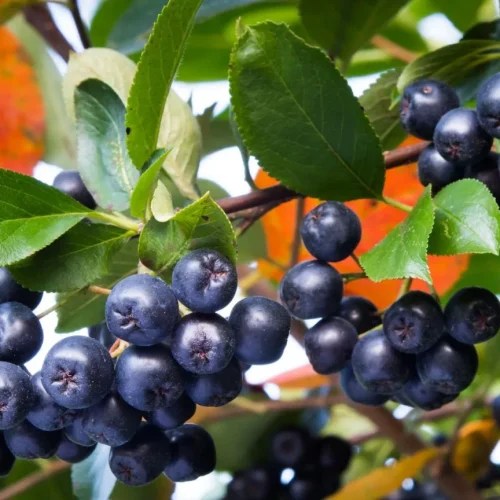
Grow Aronia Berries
(From the “How to Grow Aronia Berries” Series by 1st Choice Fertilizer)
Growing your own Aronia berries (also known as chokeberries) is about more than just harvesting nutrient-rich fruit. It’s a deeply rewarding experience that connects you to your landscape, supports pollinators, and gives you a sense of pride each time you gather berries from plants you nurtured yourself.
Getting Started with Aronia Berries
Success starts with good planning. Whether you’re planting a few shrubs in your yard or establishing a larger berry patch, location matters. Aronia plants thrive in full sun and prefer well-drained, slightly acidic to neutral soil (pH 6.0–6.5). They’re adaptable to a variety of soil types—including loamy, sandy, and even clay soils—but proper preparation improves long-term performance.
One of the many advantages of growing Aronia is that they’re self-fertile—meaning you only need one plant to get fruit. That said, planting multiple shrubs can improve yield and attract more pollinators.
You can choose from bare-root or container-grown plants. Both are beginner-friendly with proper care, and Aronia is known for being hardy, resilient, and low-maintenance—perfect for first-time fruit growers.
Caring for Your Aronia Plants
Once planted, consistent care helps establish strong, productive shrubs:
-
Watering: Aronia is drought-tolerant once established, but regular watering during the first year is crucial. Keep the root zone evenly moist but not soggy.
-
Pruning: While not as pruning-intensive as fruit trees, annual thinning of older branches helps maintain shape and airflow, which promotes better fruiting.
-
Fertilizing: Aronia doesn’t require heavy feeding, but a balanced, slow-release fertilizer—like 1st Choice Fertilizer—in early spring can encourage vigorous growth and berry production. Avoid late-season fertilizing, as it may delay dormancy and increase winter injury risk.
-
Pest and Disease Management: Aronia is naturally resistant to many common pests and diseases, but regular observation is still wise. Remove any dead or damaged wood, and monitor for signs of fungal issues in wet conditions.
Ready to Learn More?
This series of articles walks you through the entire Aronia-growing process—from selecting your plants to harvesting and preserving your berries. Whether you’re new to edible landscaping or building a thriving berry garden, we’re here to help you grow with confidence.
Grow Aronia Berries
(From the “How to Grow Aronia Berries” Series by 1st Choice Fertilizer)
There’s something uniquely rewarding about growing Aronia berries—whether it’s harvesting your own antioxidant-rich fruit, adding natural beauty to your landscape, or simply enjoying the process of helping your plants thrive under your care.
Where to Begin: Planting with Purpose
Before you put your first Aronia bush in the ground, it pays to do a bit of planning. Choosing the right site makes a big difference in how well your plants grow and how much fruit they’ll produce. Key factors include sunlight (full sun is best), soil type, drainage, and spacing to allow airflow and growth.
One great advantage of Aronia is that they’re self-pollinating, so you don’t need a companion plant to get berries. However, planting more than one shrub can increase your yield and benefit local pollinators.
Getting to know your soil is essential. Aronia adapts to a variety of conditions—including sandy, loamy, or even clay-heavy soils—but prefers slightly acidic to neutral soil (pH 6.0–6.5) and good drainage. At 1st Choice Fertilizer, we offer step-by-step guidance for preparing your soil to give your plants the best possible start. Whether you’re planting bare-root or potted shrubs, Aronia is beginner-friendly with just a few simple planting techniques.
Ongoing Care: Keeping Your Plants Healthy
Once your Aronia plants are in the ground, consistent care will help them flourish year after year. Start with watering—especially during the first growing season. Keep the root area evenly moist, but not soggy, until the plant is well established. After that, Aronia becomes quite drought-tolerant.
Pruning helps maintain the plant’s shape and productivity. In late winter or early spring, remove older or damaged canes to encourage strong new growth and improve airflow. Aronia doesn’t require heavy pruning, making it ideal for low-maintenance gardening.
Fertilizing in early spring supports healthy growth and berry production. A balanced, slow-release fertilizer like 1st Choice Fertilizer provides essential nutrients without overfeeding. Be sure to avoid late-season fertilizing, which can interfere with dormancy and winter readiness.
Aronia is impressively resistant to most pests and diseases, but regular observation is still important. Check for signs of stress or fungal issues, especially in humid or shaded areas, and take action early if needed. We offer tips on preventative care and safe, eco-friendly treatments if any issues arise.
More to Explore
From planting to pruning to picking your first berries, this series of guides covers everything you need to know to grow strong, productive Aronia plants. Use the “In This Series” menu to jump to the section you’re most interested in—or follow along step by step as you build your berry-growing confidence
Acclimating Aronia Berry Plants Before Planting
(From the “How to Grow Aronia Berries” Series by 1st Choice Fertilizer)
Before your Aronia berry shrubs ever go in the ground, there’s one simple but important step that sets them up for success: acclimation, also known as hardening off. This process gently introduces your young plants to outdoor conditions after being raised in a controlled environment like a greenhouse.
At 1st Choice Fertilizer, many of our Aronia plants are greenhouse-grown and may arrive with tender new leaves and soft stems. While this lush early growth is a sign of plant health, it can be vulnerable to outdoor elements like full sun, wind, and fluctuating spring temperatures.
Why Acclimation Matters
Young Aronia growth is particularly sensitive to sudden environmental changes. Skipping this step can lead to sunburned leaves, wind damage, or transplant shock—slowing down establishment and affecting fruiting potential.
Conditions that commonly cause stress:
-
Temperatures below 50°F or above 90°F
-
Late frosts
-
Intense or unfiltered sunlight
-
Strong, drying winds
These risks are especially common in early spring or in areas with unpredictable weather.
Acclimating Bare-Root Aronia Plants
Bare-root Aronia plants are shipped dormant, without soil around their roots. While dormancy makes them more resilient during shipping and transplant, they still need careful handling.
Before planting:
-
Soak roots in clean water for 1–2 hours (but no more than 24 hours).
-
Plant promptly—ideally in early spring or fall, when weather is cool and stable.
-
Avoid planting just before a heatwave or late frost to minimize transplant shock.
Acclimating Potted or Bagged Aronia Shrubs
If your Aronia plants arrive in containers with active growth, they’ve likely been grown in protected greenhouse conditions. Use this step-by-step process to prepare them for outdoor life:
-
Unpack and place the shrubs in a sheltered, partially shaded location (e.g., a covered patio or under a tree canopy).
-
After 1–2 days, gradually move the plants into more sunlight over a few days.
-
Water upon arrival, then let the top inch of soil dry slightly between waterings. This builds root strength and reduces transplant stress.
-
Monitor the leaves—if you see browning or wilting, move the plant back to filtered light and protect it from wind.
-
Avoid leaving the plant outside overnight if temps drop near freezing. Bring it indoors or into a garage if needed.
When They’re Ready to Plant
After 2–5 days of acclimating—and once soil temperatures are consistently above 50°F—your Aronia berries are ready for planting. For the best transition, choose an overcast or cloudy day to minimize sun stress during transplanting.
A Few Extra Tips
-
Adapt to your climate: Plants may need longer to harden off in colder or windier regions.
-
Indoor workaround: If weather is too harsh, keep potted shrubs near a sunny window and treat them like houseplants until conditions improve.
-
Observe your plants: Some Aronia shrubs adjust quickly, while others may need extra time—especially if they arrive with lots of new growth.
Acclimating properly is a small step with a big impact—helping your Aronia plants thrive from day one. With the right start and the support of 1st Choice Fertilizer, you’ll be on your way to a healthy, productive berry harvest.
Choosing the Right Location to Plant Aronia Berries
(From the “How to Grow Aronia Berries” Series by 1st Choice Fertilizer)
Success with Aronia berries starts long before planting. Selecting the right location ensures your shrubs establish well, grow vigorously, and produce nutrient-rich berries season after season. A little planning now will save you time and effort later—and set your plants up for a healthy, productive life.
Here are five key factors to consider when choosing a planting site for your Aronia berries:
-
Sunlight and soil quality
-
Drainage and moisture balance
-
Surroundings and wind exposure
-
Spacing
-
Room to expand later
1. Sunlight & Soil: Aronia’s Growing Foundation
Full sun is best. Aronia shrubs thrive with at least 6–8 hours of direct sunlight daily, which supports dense growth and optimal berry production. While they’re adaptable to partial shade, fruit yields will be lower in reduced light.
Well-drained, fertile soil is also essential. Aronia plants are tolerant of various soil types—clay, loam, even sandy soils—but they don’t like “wet feet.” Avoid planting in low-lying spots where water tends to pool. For heavy clay soil, mix in compost or our Coco-Fiber Growing Medium to improve drainage and texture.
2. Drainage & Moisture: Finding the Balance
Aronia is naturally hardy and somewhat drought-tolerant once established. But consistent moisture, especially during the first year, is key to root development. Choose a site where the soil drains well but doesn’t dry out too quickly.
If you struggle with poor soil, consider:
-
Raised beds (12+ inches deep) for better drainage
-
Mulching around the base to retain moisture and suppress weeds
-
Installing a slow-drip irrigation line for ease in dry climates
3. Think About Surroundings: Wind, Shade & Access
Unlike tall fruit trees, Aronia grows more like a shrub—usually 3 to 6 feet tall—but it still needs a good environment to thrive.
Ask yourself:
-
Will nearby trees eventually shade your Aronia plants?
-
Is the site windy or exposed? Cold, drying winds can damage leaves and flowers. Use fences or hedges for shelter if needed.
-
Can you easily access the area for watering, weeding, and harvesting?
-
Is it free of overhead obstacles like roof runoff or roof snow slides in winter?
4. Spacing: Don’t Crowd Your Shrubs
Aronia plants spread both above and below ground. Giving them proper spacing ensures good air circulation, makes maintenance easier, and helps prevent disease.
Here’s a general spacing guide:
-
Single-row planting: 3 to 5 feet apart
-
Hedge or mass planting: 2.5 to 4 feet apart
-
Between rows (if growing multiple rows): 6 to 8 feet
Spacing also gives you room to mulch, water, and prune when needed.
5. Room to Grow (and Expand!)
Starting small? Great! But Aronia berries are so easy and rewarding to grow, you may want to add more over time—for fresh eating, juice, baking, or even selling at your local market.
By leaving space now for future shrubs, pollinator flowers, or other small fruits like currants or raspberries, you’ll be ready to scale up without needing to rearrange everything later.
You’re Almost Ready to Plant
Taking time to choose the best location is one of the most important steps in growing healthy, productive Aronia berries. With the right site and a little help from 1st Choice Fertilizer, you’re on your way to vibrant growth, rich antioxidants, and years of fruitful harvests.
Would you like a printable site selection checklist or a visual planting layout for Aronia?
How to Plant Aronia Berries the Right Way
(From the “How to Grow Aronia Berries” Series by 1st Choice Fertilizer)
Planting Aronia berries is one of the simplest—and most rewarding—steps in building a home berry patch or edible landscape. These hardy shrubs are adaptable and low-maintenance once established, but giving them a strong start ensures healthier plants and more abundant berry harvests for years to come.
Getting Started: Prep Before You Plant
If you’re working with bare-root Aronia plants, soak the roots in a bucket of water for 1–2 hours (but no more than 6). This keeps them hydrated and pliable while you prep your planting site.
If you’ve received potted plants, water the soil thoroughly before planting and allow excess water to drain out. Aronia roots prefer moist but not soggy conditions.
Never allow Aronia roots to freeze or dry out before planting.
Step-by-Step Planting Guide
1. Dig Deep & Wide
Dig a hole twice as wide and just as deep as the root ball (or as needed to comfortably spread out bare roots). Set aside the topsoil—it contains the best nutrients and should be used for backfilling.
2. Enrich the Soil
Mix your reserved topsoil with organic materials like:
-
Aged compost
-
Coco-Fiber Growing Medium (a neutral, sustainable alternative to peat)
-
Rotted manure or leaf mold
This will improve soil structure, enhance root aeration, and help retain moisture—especially important during the first growing season.
3. Position the Plant
Place your Aronia shrub in the hole with roots spread naturally. The crown (where the roots meet the stems) should sit just at or slightly above soil level.
Backfill with your enriched topsoil mix, tamping gently to remove air pockets without compacting the soil too much.
4. Form a Water Catchment Basin
On slopes or dry sites, build a shallow berm (about 2 inches high) around the planting hole to catch and hold water. This directs moisture to the root zone, where it’s needed most.
5. Water Deeply
Soak the planting hole with 1–2 gallons of water immediately after planting to settle the soil and hydrate the roots. Use a slow, deep watering method like a hose trickle or soaker hose.
After Planting: Mulch & Protect
-
Mulch with 2–3 inches of organic material such as shredded bark, straw, or wood chips. This helps retain soil moisture, suppresses weeds, and moderates temperature extremes.
-
Keep mulch 2–3 inches away from the base of the plant to prevent rot and discourage pests like voles or mice.
-
Do not fertilize immediately. Wait until spring growth resumes, then feed with a balanced, berry-safe formula like 1st Choice Fertilizer’s Aronia & Berry Booster.
-
Recheck soil level after watering—add more if needed to ensure the crown isn’t buried.
How to Plant Potted Aronia Berries
If you’ve received your Aronia in a container:
-
Unpack and water immediately.
-
Keep in a protected, shaded spot if planting is delayed.
-
When ready to plant, gently remove from the pot.
-
Loosen circling roots—especially important if they’ve begun wrapping around the root ball.
-
Plant as described above, keeping the root ball intact and the crown at ground level.
Tip: Stake only if your location is windy or the plant is tall and top-heavy.
⚠️ Never plant the plastic pot in the ground—it won’t decompose and may restrict root growth.
Final Touch: Remove the Plant Tag
Those plastic tags are handy at first, but they can strangle stems or branches as the plant grows. Remove them after planting. If you want to keep the plant ID, reattach the tag loosely using soft twine.
You’re Ready to Grow!
With proper planting and a little guidance from 1st Choice Fertilizer, your Aronia shrubs are on their way to strong, healthy growth—and berry harvests packed with antioxidants and flavor. Whether you’re growing for fresh eating, juicing, or homemade jams, a well-planted Aronia is the foundation of a fruitful journey.
How to Prepare Soil for Planting Aronia Berries
(From the “How to Grow Aronia Berries” Series by 1st Choice Fertilizer)
Before you plant your Aronia berries, take time to prepare the soil—it’s one of the most important steps you can take to ensure healthy growth, abundant berries, and strong, resilient shrubs for years to come.
Whether you’re planting in spring or fall, well-prepped soil gives your Aronia plants the best start possible. Here’s how to do it right.
Why Soil Preparation Matters
Healthy soil helps your Aronia shrubs:
-
Absorb essential nutrients
-
Retain moisture without waterlogging
-
Grow strong, deep roots
-
Resist drought, disease, and transplant stress
We recommend testing your soil before planting—and at least once a year after that. You can use a 1st Choice Digital Soil Meter for quick pH and moisture checks, or send a sample to your local Cooperative Extension office for a full nutrient profile.
Understanding Soil Types
Aronia berries are adaptable, but they thrive best in well-drained, slightly acidic to neutral soil (pH 6.0–7.0). Here’s how to identify and work with your native soil:
Clay or Silt Soils
Dense and sticky when wet, these soils hold nutrients but can compact easily and may retain too much water. Aeration is key.
Loam Soils
The gold standard for planting. Loam is rich in organic matter, drains well, and holds nutrients—ideal for Aronia growth with minimal adjustments.
Sandy Soils
Light and quick-draining, but often low in nutrients and organic matter. These soils need regular amendment to retain moisture and support root development.
When to Prepare the Soil
Soil prep can happen anytime the ground is workable—not frozen or overly saturated. Fall and early spring are ideal. If planting in spring, consider amending soil the previous fall so organic matter has time to settle and enrich the area naturally.
What to Add to Your Soil
Aronia shrubs benefit from soil that is loose, rich, and well-aerated. Consider these amendments:
-
Compost – Boosts organic content and feeds beneficial microbes
-
Aged Manure – Adds nutrients and improves soil structure
-
Coco-Fiber Growing Medium – A sustainable alternative to peat that improves water retention
-
Peat Moss or Sphagnum – Useful for lowering pH in alkaline soils
-
Lime – Helps raise pH in soils that are too acidic (only if your soil is below pH 5.5)
-
Sand (optional) – Can help break up clay soil when used with compost
Pro Tip: Don’t overlook what’s already on hand. Grass clippings, shredded leaves, and mulched garden waste can be composted into excellent free organic material to use in your beds.
How Organic Matter Helps Different Soils
-
Sandy Soil: Organic matter binds particles together, improving water and nutrient retention.
-
Clay or Silt Soil: Organic additions help break up heavy clumps, improving drainage and aeration.
-
Poor Soils: Compost restores microbial life and builds long-term fertility for stronger, healthier Aronia shrubs.
Your Soil, Your Success
Aronia berries are hardy, but giving them healthy, fertile soil makes a real difference in plant vigor and fruit yield. A little prep goes a long way—and it’s a step you’ll only need to do once to reap the rewards for years to come.
Next Up in the Series
Wondering how much to water your new Aronia plants—or how to avoid the most common watering mistakes? Don’t worry, we’ve got you covered in the next article.
Need help choosing the best soil amendments for your location?
Explore our full line of organic and berry-safe products at www.1stChoiceFertilizer.com
Fertilizing Aronia Berries for Healthy Growth and Berry Production
(From the “How to Grow Aronia Berries” Series by 1st Choice Fertilizer)
Fertilizing your Aronia berry plants is one of the smartest ways to build soil health and support vigorous growth and fruiting—especially during the first few years after planting. While Aronia shrubs are naturally hardy and low-maintenance, they still benefit from well-timed, balanced nutrition.
Before you apply anything, test your soil first. A simple soil test helps you deliver exactly what your plants need—nothing more, nothing less.
Why Fertilize Aronia Berries?
Think of fertilizer as a fine-tuned supplement—not just “plant food.” It supports what your soil might be missing and encourages:
-
Healthy root development
-
Vigorous leafy growth
-
Strong flower and berry production
-
Greater resistance to stress and disease
The three primary macronutrients are:
-
Nitrogen (N): Supports leafy, vegetative growth
-
Phosphorus (P): Promotes deep roots and healthy fruit development
-
Potassium (K): Builds disease resistance and overall plant resilience
You’ll see these as N-P-K ratios on any fertilizer product, including our Aronia-friendly blends from 1st Choice Fertilizer.
Start With a Soil Test
Soil conditions vary widely by location. Some soils are naturally rich, while others may lack key nutrients. Over-fertilizing can actually harm your plants—causing excessive growth or nutrient imbalances.
That’s why we always recommend testing with a 1st Choice Digital Soil Meter or sending a sample to your local Cooperative Extension office.
Once you know your soil’s baseline, it’s easy to select the right fertilizer for your Aronia’s needs.
Fertilizing Young Aronia Plants
If your Aronia shrubs are newly planted in well-prepped soil, you might not need fertilizer in the first year. Instead, focus on watering, mulching, and letting the roots establish.
But if growth is slow or leaf color is pale, consider using a balanced starter fertilizer like 1st Choice Berry Boost 10-10-10 in early spring. It delivers nitrogen, phosphorus, and potassium in equal amounts—ideal for young shrubs that are just getting started.
Apply lightly around the root zone (not against the stem), and water in thoroughly.
Fertilizing Mature Aronia Shrubs
Once your Aronia plants are 2–3 years old and producing berries, their nutrient demands increase—especially for nitrogen and potassium.
Use a fruiting-phase fertilizer like 1st Choice Berry Yield Granules 12-6-9, which is specially formulated to encourage flowering, berry development, and stress resilience.
For best results:
-
Apply in early spring, just as new growth appears
-
Make a second, lighter application in early summer, just before flowering
-
Stop fertilizing by mid-July to avoid promoting late-season growth that may not harden off before winter
When and How to Fertilize
-
Early spring (March–April): First main application
-
Early summer (June): Optional light boost
-
Do not fertilize after mid-July
Application tip: Scatter fertilizer evenly around the base of the plant in a circle that matches the width of the shrub. This “drip line” is where the feeder roots are most active.
Always water well after applying granular fertilizer, and follow label instructions carefully to avoid over-application.
Tailoring to Your Plants’ Needs
Not all Aronia varieties are the same. For example:
-
‘Viking’ and ‘Nero’ tend to be more vigorous and may require less nitrogen.
-
Wild types or ornamental cultivars might need periodic feeding to maintain appearance but not heavy berry production.
⚙️ Don’t Forget Micronutrients
Aronia berries, like many fruiting plants, benefit from trace minerals—especially calcium, magnesium, and iron. These support:
-
Strong cell walls (important for winter hardiness)
-
Improved berry firmness and shelf life
-
Overall plant vitality
If your soil test reveals deficiencies, consider supplementing with 1st Choice Earth-Care Prime 5-8-8 Calcium+, a gentle but effective micronutrient-rich formula.
Your Fertilizer, Your Future Harvest
With the right nutrients at the right time, your Aronia plants will reward you with lush green growth and bountiful clusters of nutrient-rich berries. And with support from 1st Choice Fertilizer, you’ll have everything you need to grow confidently—season after season.
Need help choosing a fertilizer for your climate or soil type?
Visit www.1stChoiceFertilizer.com for product guides, regional tips, and personalized support from our berry-growing experts.
Pest & Disease Control for Aronia Berries
(From the “How to Grow Aronia Berries” Series by 1st Choice Fertilizer)
Aronia berries are known for their resilience, but like any fruiting plant, they can face occasional pressure from pests and diseases. Your location, climate, and care routine all influence what issues may arise and how severe they become. The good news? Most Aronia problems can be prevented—or minimized—through good garden hygiene and timely interventions.
At 1st Choice Fertilizer, we recommend a proactive approach: choose disease-resistant varieties, follow healthy care practices (watering, mulching, pruning), and apply safe, effective sprays only when necessary.
Common Pests That Affect Aronia Berry Shrubs
While Aronia is less prone to insect issues than many fruit trees, here are some pests that may still appear in home plantings:
Aphids
Small, soft-bodied insects that cluster on young shoots and undersides of leaves.
Symptoms: Curled, yellowing leaves; sticky “honeydew” that attracts ants and sooty mold.
Control Options:
-
Natural Sprays: Safer® Insect Killing Soap, Monterey Horticultural Oil, Ferti-lome® Triple Action, Natural Guard® Neem
-
Conventional: GardenTech® Sevin®, Monterey Fruit Tree Spray Plus
Japanese Beetles
Metallic green beetles that feed on foliage, skeletonizing leaves.
Control Options:
-
Handpick into soapy water for small infestations
-
Sprays: Monterey Fruit Tree Spray Plus
Spider Mites
Microscopic pests that thrive in hot, dry conditions.
Symptoms: Bronze or speckled leaves, fine webbing in severe cases.
Control Options:
-
Natural: Monterey Horticultural Oil, Safer® Insect Killing Soap, Ferti-lome® Triple Action
-
Avoid dry, dusty conditions—hose down foliage regularly in dry spells.
Sawflies / Leafrollers (Occasional)
Larvae that chew leaves or roll them in webs.
Symptoms: Skeletonized or rolled leaves.
Control Options:
-
Natural: Monterey Caterpillar Killer Spray with BT, Natural Guard® Neem
-
Conventional: Monterey Fruit Tree Spray Plus
Thrips
Slender, fast-moving insects feeding on new growth.
Symptoms: Twisted or discolored young leaves and flower buds.
Control Options:
-
Monterey Horticultural Oil, Safer® Insect Killing Soap
Common Aronia Berry Diseases
Though Aronia is notably disease-resistant, some conditions can still affect plants, especially in overly wet or humid areas.
Leaf Spot / Fungal Leaf Blights
Caused by various fungal pathogens, particularly in humid climates.
Symptoms: Dark brown or purple spots on leaves; premature defoliation if severe.
Control Tips:
-
Rake and remove fallen leaves
-
Space plants for good air flow
-
Sprays: Monterey Liquid Copper Fungicide, Monterey Fruit Tree Spray Plus
Powdery Mildew (Rare, but possible in shaded or overcrowded areas)
Symptoms: White or gray powdery coating on leaves and stems.
Control Options:
-
Prune for air circulation
-
Natural Sprays: Monterey Horticultural Oil, Neem Oil, Ferti-lome® Triple Action
Botrytis (Gray Mold)
Common in cool, damp weather—can affect blossoms or ripening fruit.
Symptoms: Gray, fuzzy mold on flowers or berries.
Control Tips:
-
Remove affected parts immediately
-
Avoid overhead watering
-
Sprays: Monterey Fruit Tree Spray Plus, Natural Guard® Neem
Root Rot (from poor drainage)
Symptoms: Wilting, yellowing leaves, poor growth, mushy roots.
Prevention:
-
Plant in well-drained soil
-
Avoid overwatering
-
Mix in compost or Coco-Fiber Growing Medium to improve drainage
General Prevention Tips for Healthy Aronia Plants
-
Water Wisely: Avoid overwatering—Aronia tolerates some drought once established.
-
Mulch Smart: Use 2–3 inches of mulch, but keep it 2 inches away from stems.
-
Prune Regularly: Remove dead or congested branches to promote airflow.
-
Sanitize the Site: Rake fallen leaves and fruit, especially after disease or insect issues.
-
Check Frequently: Early detection is your best defense.
When to Spray
-
Dormant Season: Apply Monterey Horticultural Oil to suffocate overwintering pests.
-
Spring (pre-bloom): Use preventive fungicides like Liquid Copper if leaf spot is a concern.
-
Post-bloom: Address insect activity with neem, BT, or soap-based products if needed.
Avoid spraying during bloom to protect pollinators.
Need a Pest ID or Treatment Plan?
Contact your local Cooperative Extension office for identification support, or visit www.1stChoiceFertilizer.com for expert-backed guidance, product recommendations, and seasonal care checklists tailored to Aronia growers.
Pruning Aronia Berry Shrubs for Health, Shape & Maximum Yield
(From the “How to Grow Aronia Berries” Series by 1st Choice Fertilizer)
While Aronia berries (also known as chokeberries) are relatively low-maintenance, pruning plays an important role in keeping your shrubs healthy, productive, and well-shaped—especially as they mature. Whether you’re maintaining a single bush or an entire berry hedge, strategic annual pruning will boost yield, prevent disease, and encourage new growth where it matters most.
Why Prune Aronia Berry Shrubs?
Survival & Balance:
If you’re transplanting or cutting back overgrown shrubs, pruning helps reduce stress by balancing the root-to-shoot ratio.
Stimulation:
Pruning encourages the plant to push out new growth from the base and improves the strength of fruiting stems.
Shape & Longevity:
Maintains an open, vase-like structure for airflow and sunlight—key for reducing disease and improving fruit quality.
Basic Aronia Pruning Principles
-
Timing Matters: Prune in late winter to early spring while the plant is still dormant. In colder zones, this avoids stimulating early, frost-vulnerable growth.
-
Targeted Cuts: Remove:
-
Any dead, damaged, or diseased stems
-
Crossing, rubbing, or inward-growing branches
-
Old stems (3+ years) that have become unproductive
-
-
Aim for Air & Light: Create a vase or open-centered shape to improve air circulation and fruit ripening.
-
Encourage New Shoots: Aronia fruits best on 2–3-year-old wood. Rejuvenate annually by thinning out 20–30% of the oldest stems.
Training & Shaping Aronia Shrubs
Unlike apple trees, Aronia is a multi-stemmed shrub, not a tree with a central leader. Here’s how to shape them effectively:
In the First 1–3 Years:
-
Allow 5–7 main canes to develop from the base.
-
Remove any weak or low-vigor shoots at the base.
-
Keep the plant open in the center—think of a fountain or vase shape.
Mature Shrubs (4+ Years):
-
Each year, remove up to 1/3 of the oldest stems (dark, thick canes with little growth).
-
Promote new cane development by cutting at ground level.
-
Maintain a mix of young (1–2-year-old) and middle-aged (2–3-year-old) stems for optimal fruiting.
Seasonal Aronia Pruning Calendar
| Season | What to Do |
|---|---|
| Late Winter | Main pruning: Remove old/damaged canes; shape the bush; improve air & light. |
| Early Spring | Final touch-ups before bud break; cut back winter damage. |
| Summer | Light thinning if overgrown; remove suckers if desired. |
| Fall | Avoid major pruning; focus on cleaning up fallen fruit and leaves. |
Recommended Pruning Tools for Aronia
-
Bypass Pruners: For young stems and precise tip cuts
-
Loppers: For thicker canes up to 2 inches
-
Pruning Saw: For large or aged stems at the base
-
Disinfectant: Use isopropyl alcohol or diluted bleach between cuts to reduce disease risk
Additional Tips
-
Start slow: Aronia doesn’t need heavy pruning its first year—focus on removing any weak stems.
-
Keep it open: A crowded center invites disease and reduces fruit production.
-
Renewal pruning every year: Removing older stems stimulates younger, fruit-bearing growth.
-
Mulch after pruning with 2–3 inches of organic mulch to conserve moisture and suppress weeds.
With 1st Choice Fertilizer in Your Corner…
You have everything you need to maintain vibrant, high-yielding Aronia berry shrubs—from pruning tips to soil amendments and nutrient-rich organic fertilizers. Visit www.1stChoiceFertilizer.com for tools, guides, and expert support all season long.
Pest & Disease Control for Aronia Berries: Effective Spraying Guidelines
(From the “How to Grow Aronia Berries” Series by 1st Choice Fertilizer)
To grow vigorous, fruit-filled Aronia bushes, understanding common pests and diseases—and how to prevent them—is essential. While Aronia is naturally hardy and disease-resistant, regular maintenance and preventive spraying can help avoid infestations and ensure consistent, high-quality harvests.
Your local Cooperative Extension office, university ag sites, or independent garden centers are excellent resources for pest ID and tailored regional advice.
When to Spray Aronia Berries
| Season | Purpose |
|---|---|
| Dormant Season | Apply horticultural oils to smother overwintering pests. |
| Bud Break | Target insects emerging with new growth and apply preventatives for fungal issues. |
| Post-Bloom | Protect developing fruit and allow bees to pollinate safely. |
| Mid-Summer | Monitor for soft-bodied insects (like aphids) and fungal conditions like powdery mildew. |
⚠️ Always read and follow product labels carefully. Never mix products unless explicitly stated on the label.
Recommended Sprays for Aronia Pest Control
| Product | Pests Controlled | Timing | Application Notes |
|---|---|---|---|
| Monterey Horticultural Oil | Aphids, mites, scale, whiteflies, leafrollers | Dormant, Pre-Bloom | Use to smother overwintering eggs and early-season pests. Avoid below 32°F. |
| Safer® Insect Killing Soap | Aphids, spider mites, thrips, whiteflies | Post-Bloom, Summer | Safe and organic. Spray every 5–7 days while pests are active. |
| Natural Guard® Caterpillar Killer w/BT | Tent caterpillars, webworms, leafrollers | Bud Break or Post-Bloom | Apply when caterpillars are young. Repeat every 5–7 days. |
| GardenTech® Sevin® Bug Killer | Leafrollers, beetles, aphids | Post-Bloom | Effective contact spray. Max 8 applications per season. |
Recommended Sprays for Aronia Disease Control
| Product | Diseases Controlled | Timing | Application Notes |
|---|---|---|---|
| Monterey Liquid Copper Fungicide | Powdery mildew, leaf spot, rust, fruit rot | Dormant and Growing Season | OMRI-listed organic. Use up to harvest. Prevents early fungal establishment. |
| Hi-Yield® Captan 50W Fungicide | Fruit rot, botrytis, leaf blight | Bud Break, Post-Bloom | Apply per label. Works well in high humidity or after rain. |
| Serenade® Garden Disease Control | Powdery mildew, anthracnose, fire blight | Post-Bloom, Mid-Summer | Spray every 7 days as needed. Safe in sun and heat. |
| Ferti-Lome® Fire Blight Spray | Fire blight (rare but possible in stress years) | Bloom through early fruiting | Apply during wet springs if signs appear. Avoid visible fruit contact. |
Combination Sprays: Pest & Disease
| Product | Pests Controlled | Diseases Controlled | Timing | Application Notes |
|---|---|---|---|---|
| Ferti-lome® Triple Action | Aphids, beetles, mites, caterpillars, etc. | Powdery mildew, scab, leaf spot | Post-Bloom | Dual-purpose spray. Repeat every 7–14 days as needed. Use up to harvest day. |
| Natural Guard® Neem Oil | Aphids, mites, beetles, whiteflies | Rust, powdery mildew, botrytis, black spot | Dormant, Bud Break, Post-Bloom | Best in early morning or evening to prevent leaf burn. Repeat every 7–14 days. |
| Monterey Fruit Tree Spray Plus | Beetles, aphids, worms, mites | Powdery mildew, scab, fruit rot | Pre-Bloom and Post-Bloom | Max 10 applications per season. Avoid extreme temps. |
Tips for Effective Spraying on Aronia Berries
-
✅ Spray thoroughly: Cover both upper and lower leaf surfaces.
-
✅ Avoid drought stress or extreme heat during application.
-
✅ Do not spray during full bloom—wait until petals fall to protect pollinators.
-
✅ Apply after rainfall only once leaves are dry.
-
✅ Disinfect sprayers between uses to avoid cross-contamination.
-
✅ Monitor weekly for early signs of pests or disease—prevention is easier than treatment.
Take Control Before Problems Take Hold
By combining regular observation with a thoughtful spray schedule, you’ll keep your Aronia bushes healthy, pest-resistant, and bursting with berries. Stick with organic or low-impact products when possible and always follow safe-use guidelines for handling and storage.
Need help identifying a pest or disease in your Aronia patch? Visit www.1stChoiceFertilizer.com or reach out to your local Extension service.
Aronia Berry Watering Guide
(From the “How to Grow Aronia Berries” Series by 1st Choice Fertilizer)
Aronia berries (chokeberries) are relatively drought-tolerant once established, but young plants especially appreciate consistent moisture to develop strong root systems. If your Aronia bushes aren’t in extremely dry or container settings, natural rainfall often covers their water needs after the first year.
Using a product like 1st Choice Fertilizer can greatly improve soil health by boosting nutrient content and enhancing moisture retention. This helps keep roots hydrated longer and can reduce the frequency of watering.
Watering Tips for New Aronia Plants
During the first growing season, aim to keep the root zone evenly moist but not waterlogged. In regions receiving roughly an inch of rain every 7 to 10 days, natural precipitation usually suffices. When rainfall is limited, supplement with deep watering.
How to water:
Use a slow, steady trickle from a hose or soaker hose placed near the plant’s base. This encourages moisture to penetrate deeply, promoting strong root growth. Soaker hoses are especially useful when caring for multiple plants.
Avoid:
-
Frequent, shallow watering that keeps roots near the surface, leading to weaker plants.
-
Overwatering, which can cause root rot and reduce oxygen availability in the soil.
Typically, deep watering once every 7–10 days is ideal during dry periods. In cooler climates or heavy clay soils, watering every 10–14 days may be sufficient. Adjust based on local conditions and soil moisture.
Additional Tips
-
If you create a shallow basin around each plant to catch water, remember to level it before winter. This prevents water from pooling and freezing near the stems, which can cause damage.
-
Monitor soil moisture regularly by checking a few inches below the surface. The soil should feel moist but not soggy.
-
Be mindful of local water use restrictions during droughts or dry seasons and adapt watering accordingly.
Summary:
Aronia berries thrive with deep, infrequent watering especially when young, combined with the right soil care. As they mature, they become more resilient and require less supplemental watering, letting you save time and conserve water.
Enjoying the Fruits of Your Labor: Aronia Berry Harvest and Storage
(From the “How to Grow Aronia Berries” Series by 1st Choice Fertilizer)
After seasons of nurturing your Aronia bushes, harvest time is a rewarding milestone! Knowing when your berries are ripe and how to store them properly helps you enjoy the full flavor and nutritional benefits of your crop.
When Will My Aronia Bush Start Producing?
Aronia bushes typically begin producing fruit within 2 to 3 years after planting. Good care, including proper pruning, watering, and fertilization, will encourage healthy growth and maximize yield. Mature bushes can produce up to 6 to 10 pounds of berries per plant annually, depending on variety and growing conditions.
Recognizing Ripe Aronia Berries
Aronia berries are ready to harvest when they turn a deep, glossy black or dark purple color and taste less bitter. Unlike some fruits, Aronia berries do not change size much when ripe, but their flavor mellows and sweetness improves. Typically, berries ripen in late summer to early fall.
A simple test: Pick a berry and taste it. If it’s pleasantly tart with just a hint of bitterness and not overly astringent, it’s ready to pick. Harvest berries carefully by hand or by gently shaking the bushes to collect ripe fruit.
How to Store Aronia Berries for Best Quality
Proper storage keeps your Aronia berries fresh and flavorful for longer:
-
Pick in cool weather: Early morning or late evening harvesting helps preserve berry quality.
-
Handle gently: Avoid crushing or bruising berries as they bruise easily and spoil faster.
-
Sort and clean: Remove damaged or moldy berries before storage.
For short-term storage, keep Aronia berries refrigerated in shallow containers lined with paper towels to absorb moisture. They typically last about 1–2 weeks this way.
For longer storage, consider freezing the berries: spread them out on a baking sheet to freeze individually, then transfer to airtight freezer bags or containers. Frozen Aronia berries retain most of their flavor and nutrition and can be used later for smoothies, jams, or baking.
Using Your Harvest
Aronia berries are prized for their rich antioxidant content and tart flavor, great for fresh eating, juicing, baking, or making preserves and wines. Experiment with your harvest to find favorite recipes!
A little extra care during harvest and storage ensures you get the most enjoyment from your homegrown Aronia berries, season after season.